

Do CBD Dabs Get You High? Honest Guide to Dabbing CBD
Dabbing has long been associated with the most potent cannabis experiences money can buy. So when you see “CBD dab” on a label, a fair question follows: will this get me high? This guide breaks down the pharmacology, the marketing, and the reality of dabbing CBD so you can make an informed decision rather than a confused one.
Table of Contents
Quick Answer: Do CBD Dabs Get You High?
Most hemp-derived CBD dabs do not get you high. CBD dabs do not produce a high like thc dabs because cannabidiol does not bind to CB1 receptors the way Delta-9 THC does. A “high” in the cannabis sense means euphoria, altered perception, impaired coordination, and short-term memory disruption. CBD is psychoactive in a narrower way – it can interact with the brain to alter mood and reduce anxiety – but it is non-intoxicating under normal, properly labeled conditions.
That said, important exceptions exist. Full-spectrum dabs with trace THC, mislabeled products, or concentrates that quietly include Delta-8, HHC, or THC-P can cross the line into genuine intoxication. Traditional thc dabs contain 60% to 90% THC concentration, and they produce a rapid and intense high. CBD dabs occupy a fundamentally different category.
Many American readers are confused because dabbing as a culture grew out of extremely strong THC cannabis concentrates. This article focuses exclusively on hemp-derived CBD dabs and separates the facts from the marketing.
Upright CBD does not sell products, accept sponsorships, or run affiliate links. Our goal is independent, US-focused education so you can interpret cbd dab marketing honestly. Study our stories – they exist to serve you, not a brand’s bottom line.
What Is a CBD Dab, Exactly?
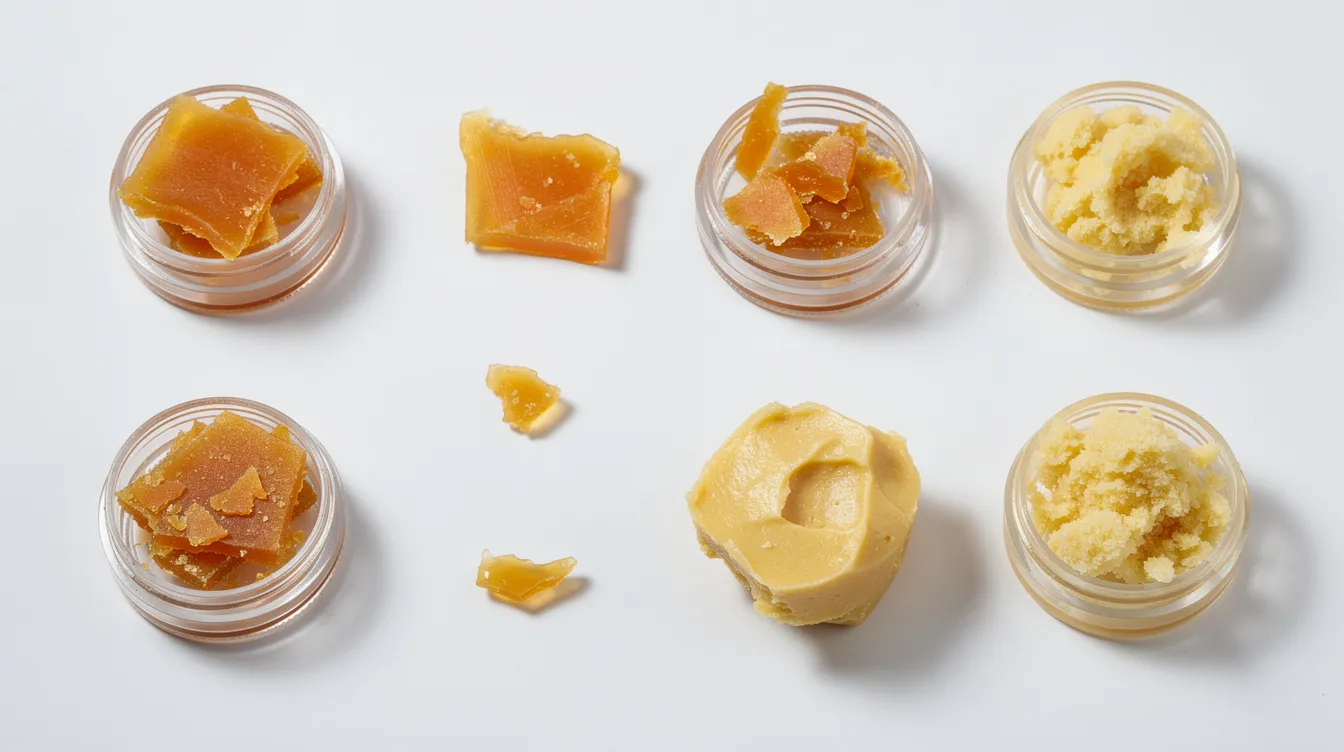
A cbd dab – sometimes called “dab cbd” – refers to a highly concentrated hemp extract designed for vaporization, not the low-potency CBD oils that dominated shelves in 2018–2020. These are concentrated forms of cannabidiol, typically ranging from 70% to 99% CBD by weight. Common formats include wax, shatter, crumble, live resin, live rosin, and “liquid diamonds.”
CBD dabs are extracted from federally legal hemp containing ≤0.3% Delta-9 THC by dry weight. The extraction process varies:
- Supercritical CO₂ – clean results, good terpene preservation, no residual solvents. More expensive.
- Solvent-based (butane, ethanol) – efficient but requires rigorous lab testing to ensure safety.
- Rosin pressing – solventless, using only heat and pressure, but pricier with lower yields.
Potency is measured in milligrams of CBD per gram. For instance, a 1-gram slab at 90% CBD contains roughly 900 mg CBD – far more than a typical 20% CBD hemp flower pre-roll. A 2025–2026 product label might read: “Total cannabinoids: 85%. CBD: 80%. Delta-9 THC: <0.3%. Terpenes: myrcene, limonene.”
For comparison, traditional THC dabs contain THC levels between 50% and 90%, making them an entirely different substance in terms of intoxication potential.
How Does Dabbing CBD Work? (Rigs, Pens, Temperatures)
Dabbing CBD uses the same tools as THC dabbing – high heat, fast acting vaporization, and inhalation – just with non-intoxicating concentrate. The method delivers CBD into the lungs and bloodstream within seconds rather than the 30–90 minutes edibles require.
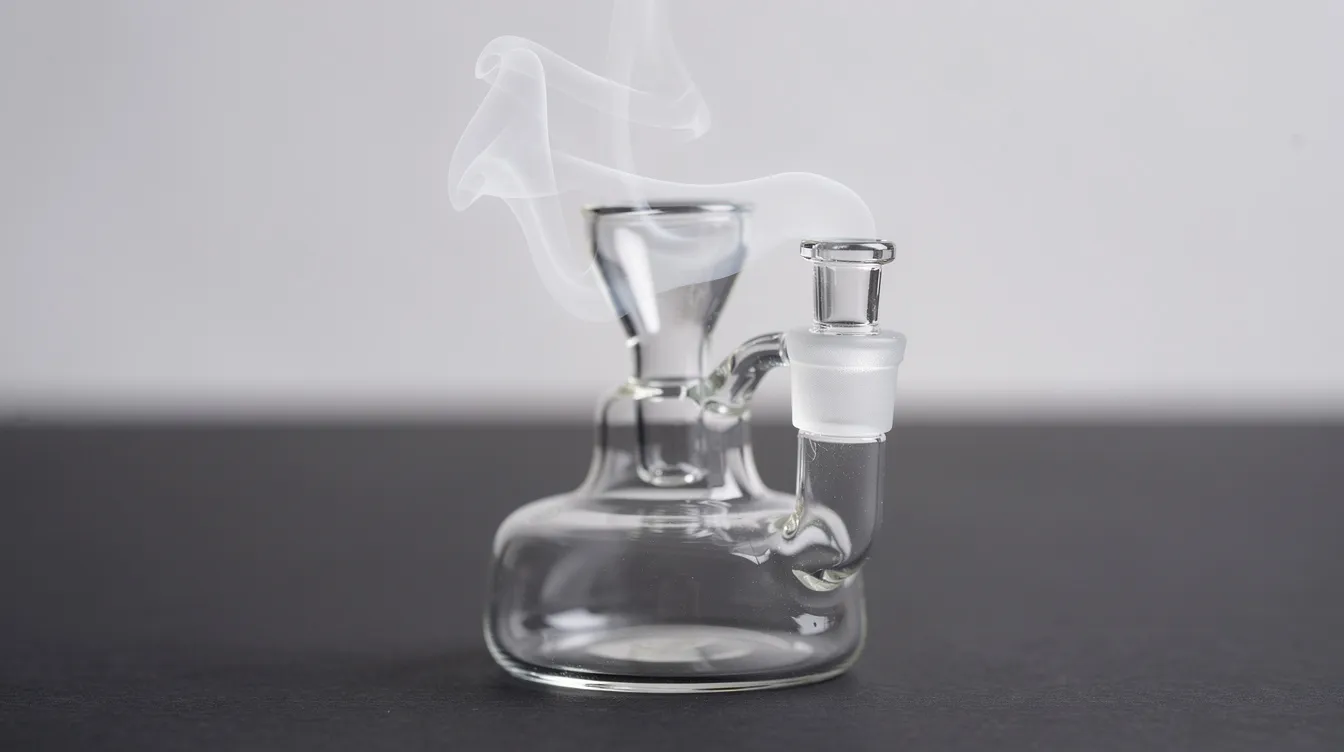
Dabbing uses a specialized device called a dab rig. Dab rigs consist of a water pipe and a heated nail (quartz, titanium, or ceramic). Dabbing can also be done with traditional rigs or electronic dab pens. Here are the main options:
- Traditional glass dab rig – a torch heats the nail or banger; you control temperature by timing cooldown.
- Electric dab rigs (e-rigs) – maintain a set optimal temperature electronically, reducing guesswork.
- Wax and dab pens – portable concentrate vaporizers that load a small amount of CBD wax or crumble.
The basic process step by step:
- Heat the nail to roughly 450–600°F (232–316°C). Lower temps preserve terpenes and flavour.
- Allow a brief cooldown if using a torch to avoid excessively high temperatures.
- Place a rice-grain-sized piece of CBD concentrate on the heated surface while inhaling slowly.
- Exhale the vapour. Effects can arrive within seconds to a few minutes.
Dabbing feels “strong” even without a high because a large dose of CBD enters the lungs quickly, and peak effects often hit within 5–10 minutes. Dabbing CBD offers effects within 2 to 6 hours, depending on dose and individual tolerance.
Do CBD Dabs Get You High? (Science, Not Hype)
THC dabs produce an immediate, intense euphoric high by binding to CB1 receptors in the brain’s reward and memory circuits. CBD does not bind to CB1 receptors like THC does. Instead, CBD modulates the nervous system through different pathways – primarily serotonin receptors (5-HT1A), TRPV1 channels, and adenosine receptors. This is why CBD tends to blunt anxiety and overstimulation rather than amplify them.
In a controlled trial, 18 healthy adults received 100 mg of vaporized CBD. The vaporized CBD increased subjective “pleasant drug effect” ratings over placebo but produced zero cognitive or psychomotor impairment – the hallmarks of a THC-driven high. Brain function remained intact; there was no mental fog, no paranoia, and no altered perception.
So why do some cbd users still say they feel “a little high”? High doses (300–600 mg in a short window) can cause drowsiness, heavy body relaxation, or a floaty calm that inexperienced users interpret as being stoned. The intensity of the ritual can overwhelm beginners who expect something dramatic.
CBD dabs actually can produce intoxication when:
- Full-spectrum dabs contain measurable THC (0.3–1%+ after decarboxylation).
- Products are mislabeled. One study of 202 products found 74% were inaccurately labeled, with Delta-9 and Delta-8 THC detected in items that didn’t claim them.
- Concentrates quietly blend in Delta-8, HHC, or THC-P but still market themselves as “CBD dabs.”
THC dabs can cause intense psychoactive effects and anxiety. Dabs can cause severe psychological reactions like paranoia and psychosis when they contain high THC. Dabs contain 60% to 90% THC, much higher than CBD, which is precisely why conflating the two is dangerous.
What Do CBD Dabs Feel Like Instead of a High?
Users of CBD dabs may experience feelings of calmness, relaxation, and mental clarity – none of the euphoric or distorted perception that defines a THC experience. CBD dabs can provide relaxation without intoxication. Common reports from US consumers include:
- Rapid-onset body relaxation – muscles feel less tense, often within minutes.
- Mental quiet – a sense of reduced “background noise,” especially in anxious minds.
- Subtle mood lift – less edge from stress, easier focus for some users.
- Drowsiness at higher doses – more of a “melt into the couch” calm than a giddy, intense high.
Contrast this with THC dabs, which can produce visual distortions, racing thoughts, dramatic shifts in time perception, and an intense high that can feel unpleasant or disorienting. Most people who dab CBD remain fully functional: able to hold conversations, think clearly, and go about their day.
Early research and anecdotal reports from 2022–2026 suggest high-dose inhaled CBD may help some people with acute spikes in stress or discomfort, but this is not FDA-approved treatment and should not replace medical care. Upright CBD does not endorse specific brands – we report what the research and real-world exposure data show.
Types of CBD Dabs: Isolate vs Broad-Spectrum vs Full-Spectrum
Whether a cbd dab can produce any sense of intoxication depends heavily on its spectrum type and contaminant profile.
CBD Isolate Dabs
- 99%+ pure CBD; typically white crystalline powder or glassy slabs.
- Contain no intentional THC or other cannabinoids.
- Virtually zero chance of a THC-style high, though they can feel calming or sedating at high doses.
Broad-Spectrum CBD Dabs
- Include CBD plus minor cannabinoids (CBG, CBC, CBDV) and terpenes.
- Intended to have 0 THC, though trace levels may appear if production quality is poor.
- Richer flavour and potentially stronger “entourage” effects while remaining non-intoxicating.
Full-Spectrum CBD Dabs
- Contain CBD, terpenes, and legally limited Delta-9 THC (≤0.3% by dry weight under USDA hemp regulations). Full spectrum CBD products contain traces of THC but are generally not intoxicating.
- Concentrates can still deliver several milligrams of THC per dab if formulation isn’t careful, especially given the concentrated nature of extracts.
- May feel slightly more “spacey” to sensitive users. Legality and risk vary by state laws and personal THC tolerance.
A 2025 federal law (P.L. 119-37) now defines “total THC” to include both Delta-9 THC and THCA, closing earlier loopholes. Always read Certificates of Analysis checking exact mg of Delta-9 THC per gram – not just percentage headlines on labels.
Why Some People Think CBD Dabs Get You High
The confusion is cultural as much as chemical. Dabbing has been marketed for over a decade as the “hardcore” way to consume cannabis, so people assume any dab equals a serious, intense high. Here’s why the misconception persists:
Ritual and gear. Torches, rigs, thick vapour clouds, and slang borrowed from THC dab culture create an experience that feels like it “should” be intoxicating. The technology and process of heating a nail, watching wax sizzle, and inhaling dense vapor carries psychological weight.
Expectation and placebo. If someone expects to be high, they often interpret normal feelings – relaxation, a faster heartbeat, mild placebo euphoria – as proof of intoxication. Reality rarely matches the expectation, but the gap gets filled by assumption.
Misleading marketing. Some companies package hemp extracts like dispensary THC dabs, using marijuana strain names like “OG Kush CBD Shatter” without clearly stating CBD-only on the front. This can overwhelm beginners who don’t read fine print.
Potency confusion. New users jumping into 100–200 mg dab sessions may feel unusually calm, heavy-limbed, or sleepy. For people coming from nicotine vapes or no inhalables at all, this sudden shift can be mistaken for being stoned. The key distinction: “I feel calmer” is different from “my perception is distorted and I feel impaired.” The latter points to real intoxication – likely from THC or other psychoactive contaminants, not CBD alone.
Safety, Side Effects, and How to Dab CBD Responsibly
CBD is not risk-free, and dabbing is a high-potency, fast-delivery method requiring caution even without a classic high. Common side effects at high doses include:
- Dry mouth and low blood pressure
- Lightheadedness and fatigue
- Nausea, vomiting, and dizziness
- Changes in appetite or vivid dreams
- Dabbing can also cause fainting in some individuals
Dabbing can lead to increased tolerance and dependency with frequent, heavy use. High-potency dabs can trigger seizures in vulnerable individuals, and dabbing can trigger seizures in susceptible individuals – a risk that applies primarily to THC-dominant products but deserves awareness across all cannabis concentrates.
Drug interactions are real. CBD can inhibit liver enzymes (CYP450), potentially affecting how prescription medications like blood thinners, certain antidepressants, and antiseizure drugs are metabolized. If you take daily medications, talk to a healthcare provider before heavy dabbing.
Harm-reduction tips:
- Start low – one tiny dab (grain-of-rice size) – and wait 20–30 minutes before considering more.
- Avoid driving or operating machinery until you know how dabbing CBD affects your alertness.
- Use electric rigs or temperature-controlled pens to avoid open-flame accidents and dangerously high nail temps.
Combustion and overheating matter. Dabbing at temperatures above 600°F can produce harmful byproducts and can cause combustion, creating harsher vapor that irritates the lungs. Lower-temperature dabs are smoother, more efficient, and less likely to generate contaminants. Smoking or overheating any substance degrades terpenes and cannabinoids alike.
Upright CBD’s stance: no product is worth lung damage. Do not attempt DIY butane or solvent-based extracts at home – the risk of accidents and exposure to residual solvents is simply too high.
Choosing Honest, Non-Intoxicating CBD Dabs (Upright Standards)
In the lightly regulated US hemp space, consumers carry most of the burden for verifying whether “CBD dabs” are truly non-intoxicating and clean. Before you buy, require recent third-party lab reports (COAs) listing:
- Total CBD mg per gram
- Delta-9 THC mg per gram
- Any Delta-8, HHC, THC-O, or THC-P
- Results for residual solvents, heavy metals, pesticides, and microbial contaminants
Compare the COA brand name and batch number to the packaging – mismatches are red flags. Prefer brands that disclose their extraction method, hemp origin, and deliver plain THC disclosures.
Upright CBD independently reviews and verifies lab reports without sponsorships or affiliate deals. Study our stories and investigations before trusting hype-heavy claims about “world’s strongest CBD dab.” If a product advertises feeling “blasted” or “super baked,” it probably contains more than just CBD, regardless of the large “CBD” on the front label.
Should You Try Dabbing CBD? Final Thoughts for American Readers
CBD dabs generally do not get you high the way THC dabs do, but they remain one of the most potent and fast acting ways to feel CBD’s calming effects – which makes them both appealing and easy to overdo.
Who might consider it: experienced cbd users who tolerate higher doses and want faster relief, and people who understand the lung and equipment risks.
Who should avoid it: new cannabinoid users better served by low-dose tinctures or gummies, anyone with significant lung disease, cardiovascular conditions, pregnancy, or complex medication regimens.
Treat CBD dabs as a tool, not a lifestyle. Track how different doses and times of day affect your sleep, mood, and body. Use Upright CBD’s non-sponsored reviews to sanity-check claims and avoid products built for hype rather than health.
CBD dabs are unlikely to get you high – but a thoughtful, evidence-based approach is what helps you decide whether they belong in a safe, responsible wellness routine.

Recent Comments