

Can You Smoke CBD? Honest Guide to CBD Flower, Effects & Safety
Yes, you can smoke CBD-and millions of Americans already do. But “can” and “should” are two different questions, and this guide breaks down exactly what you need to know before lighting up.
Table of Contents
Quick Answer: Can You Actually Smoke CBD?
Yes, smoking cbd is physically possible and legally permitted in most U.S. states, primarily in the form of cbd hemp flower or hemp concentrates. However, smoking itself carries real lung risks that deserve honest consideration, regardless of what’s being smoked.
Hemp-derived CBD with less than 0.3% THC is federally legal under the 2018 Farm Bill, so smoking cbd flower typically won’t produce a marijuana-like high. Smoking CBD provides effects within 1-3 minutes of inhalation, making it the fastest delivery route available. It can lead to relaxation without intoxication-but that speed doesn’t make it automatically safe. Smoke still contains tar, particulates, and irritants that affect your airways.
Compared to other ways of consuming cbd-oils, gummies, capsules, topicals-inhalation offers the quickest onset but the shortest duration. We’ll break down each option below.
As Upright CBD, we don’t sell or promote any products. We independently review cbd products and research so you can make informed, unsponsored decisions. We never accept sponsorships or affiliate payments from any brand.
What Is CBD & What Are You Actually Smoking?
Cannabidiol (cbd) is a non-intoxicating cannabinoid found naturally in the cannabis sativa plant, particularly in hemp varieties. Unlike thc-the psychoactive compound responsible for marijuana’s high-CBD doesn’t strongly bind to the brain’s CB1 receptors, so it won’t get you stoned.
“CBD flower” or “cbd hemp flower” refers to dried buds from the hemp plant bred to contain high levels of CBD and less than 0.3 thc (delta-9 THC by dry weight). The 2018 Farm Bill removed hemp from the controlled substances act, making these products federally legal. CBD is the active ingredient people are after, though the flower also contains terpenes, flavonoids, and minor cannabinoids.
Here’s what catches people off guard: cbd flower looks and smells nearly identical to marijuana. Dense buds, visible trichomes, strong terpene aromas-law enforcement and employers often can’t tell the difference visually. The cannabis plant produces both hemp and marijuana varieties, and only lab testing separates them.
Other smokable options include:
- Pre-rolled joints
- Loose flower for pipes or bongs
- CBD hash and concentrates
- Vape cartridges with hemp-derived distillate
One important note: commercial cbd oil in dropper bottles is formulated for oral or sublingual use. Never smoke or vape standard tincture oils-they contain carrier oils (MCT, olive oil) not designed for inhalation.
How Does Smoking CBD Work in the Body?
When you inhale CBD smoke or vapor, cannabinoids cross the thin membranes of your lungs directly into the bloodstream, bypassing your digestive system and the liver’s first-pass metabolism entirely. This is why smoking CBD provides effects within minutes of inhalation.
The body’s response to inhaled CBD follows a predictable pattern:
| Method | Onset | Peak Effects | Duration |
|---|---|---|---|
| Smoking/vaping | 1–5 minutes | 15–30 minutes after inhalation | 1–3 hours |
| Sublingual oil | 15–45 minutes | ~1 hour | 2–4 hours |
| Edibles/capsules | 30–120 minutes | 1–3 hours | 4–8 hours |
Smoking cbd has a bioavailability of 10-35%, meaning that proportion of each milligram actually reaches your circulation. Oral CBD sits around 6–20%, partly because the liver metabolizes much of it before it reaches systemic circulation. Oils absorbed sublingually offer a faster onset compared to edibles, but still can’t match inhalation speed. Digesting CBD products produces a slower onset of effects compared to smoking because food and stomach acid break down cannabinoids first.
CBD interacts with the endocannabinoid system indirectly-modulating CB1/CB2 receptors, serotonin pathways, and the nervous system’s inflammatory responses rather than binding directly like THC does.
Think of it this way: smoking CBD is a fast shuttle-quick arrival, quick departure. Edibles are the long-route bus-slow start, extended ride.
What Does Smoking CBD Feel Like? (CBD vs. THC)
Here’s where the cbd vs thc conversation matters most. CBD is non-intoxicating, while THC is psychoactive-it alters perception, impairs coordination, and can trigger anxiety at high doses. CBD does affect mood and cognition (making it technically psychoactive), but it won’t produce the classic cannabis high. The psychoactive effects of CBD are subtle: think mental clarity rather than mental fog.
Users report common sensations from smoking cbd flower:
- Calm, loosened physical tension
- Relaxing effects without clouded thinking
- Calming effects on racing thoughts
- Mild drowsiness-some people feel sleepy at higher doses
- Gentle mood lift or stress relief
Many users describe it as “taking the edge off” without impairment. CBD can temper THC’s psychoactive effects, which is why some people mix high-CBD and high-THC strains. Smoking CBD can help relieve anxiety and promote relaxation-but the experience depends heavily on dose, strain, and individual sensitivity.
Because cbd flower still contains trace THC and terpenes, some people notice a light buzz or mood shift from the entourage effect, especially with larger amounts. If a product contains more thc than advertised, you may feel genuinely stoned-red eyes, impaired judgment, intense euphoria. That’s a labeling problem, not a CBD effect.
Key differences to remember: THC impairs motor coordination; CBD doesn’t. THC can worsen anxiety at high doses; CBD tends to reduce anxiety.
Potential Benefits & Medical Context of Smoking CBD
Most high-quality evidence for CBD’s medical benefits comes from oral formulations, not smoked flower. Epidiolex is the first FDA-approved CBD medication for epilepsy (specifically Dravet and Lennox-Gastaut syndromes), using standardized high doses far above what casual smokers consume. Meanwhile, THC is approved for treating nausea and appetite stimulation in separate pharmaceutical products.
Emerging research points to potential benefits in several areas:
- Anxiety and insomnia: Multiple studies suggest CBD may reduce anxiety symptoms
- Chronic pain and inflammation: CBD has been shown to alleviate chronic pain and inflammation, partly through anti inflammatory effects on immune pathways
- Tobacco cessation: Smoking CBD may assist in reducing cravings for tobacco, with studies showing reduced cigarette consumption in participants given CBD
- Stress and physical discomfort: Users frequently cite stress relief and eased tension as primary reasons for use
The World Health Organization has noted CBD’s generally favorable safety profile, which has helped drive interest in therapeutic benefits. But more research is needed-particularly on smoked flower specifically.
Why do some people prefer smoking? Rapid onset for flare-ups of anxiety, acute stress, or breakthrough pain. The ritual itself. The ability to titrate dose puff by puff. These therapeutic effects appeal to people who need immediate relief rather than a slow build.
Still, smoking CBD is not FDA-approved for any condition. At Upright CBD, we encourage healthy skepticism toward any claimed medical benefits of smoking cbd and urge anyone with serious symptoms to consult a qualified healthcare professional.
Risks, Side Effects & Effects of Smoking on Lungs and Heart
CBD itself appears relatively safe for most adults at moderate doses. The NCCIH notes common side effects including dry mouth, fatigue, and diarrhea, and potential interactions with drugs metabolized by liver enzymes-particularly blood thinners and seizure medications. High doses of CBD may be associated with liver injury in animal studies. CBD can interact with medications by inhibiting liver enzymes (CYP450 family), altering how your body processes prescription drugs.
But the effects of smoking are where risk escalates. Smoking exposes users to harmful combustion byproducts. Smoking any plant material-hemp, marijuana, or tobacco-can introduce harmful substances into the lungs, including tar, polycyclic aromatic hydrocarbons, and carbon monoxide. Smoking CBD can introduce harmful carcinogens to the lungs through this same combustion process.
Specific respiratory risks include:
- Coughing and throat irritation
- Bronchitis-like symptoms and phlegm production
- Chronic smoking may lead to bronchitis and impaired lung function
- Smoking CBD may cause respiratory irritation over time
Regarding lung health broadly: smoking CBD is generally not recommended due to these health risks. Cardiovascular concerns also exist-smoke inhalation can spike heart rate and temporarily raise blood pressure, which is risky for people with existing heart disease.
Overconsumption of smoked CBD may lead to unwanted side effects beyond respiratory issues. CBD products are not strictly reviewed for safety by the FDA, and many CBD products may contain pesticides or heavy metals due to poor quality control. The market for CBD products is largely unregulated, making third-party lab testing essential. Always look for high quality products with current COAs verifying potency and contaminant levels.
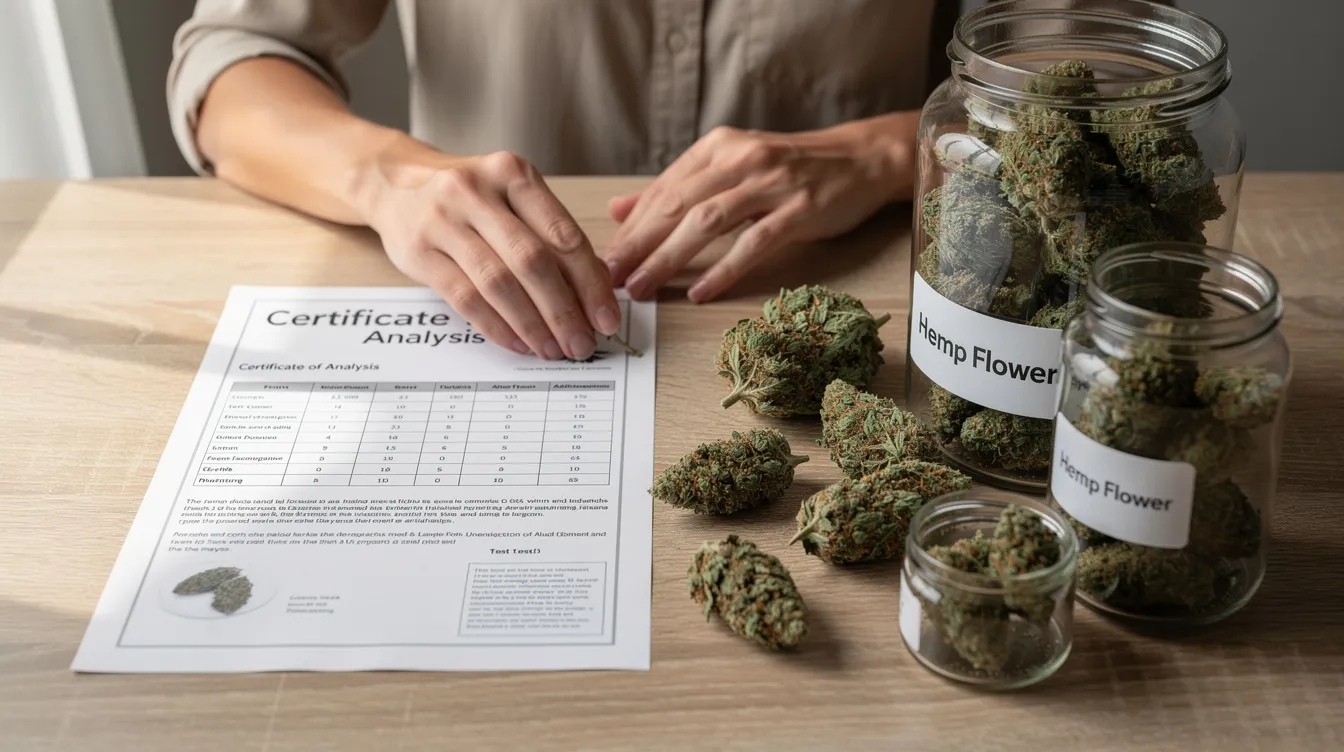
Is smoking cbd safe? Not entirely-and no form of smoking is. The risks belong to combustion, not to CBD itself.
Smoking CBD vs. Other Ways of Consuming CBD
When choosing among delivery methods, consider what matters most to you: speed, duration, lung impact, or discretion.
| Factor | Smoking | Vaping | Sublingual Oil | Edibles | Topicals |
|---|---|---|---|---|---|
| Onset | 1–3 min | 1–5 min | 15–45 min | 30–120 min | Local, varies |
| Duration | 1–3 hrs | 1–3 hrs | 2–4 hrs | 4–8 hrs | Local, 2–4 hrs |
| Lung risk | High | Moderate | None | None | None |
| Discretion | Low | Moderate | High | High | High |
Vaping avoids combustion but still carries potential respiratory risks-poorly made cartridges have caused serious lung injuries. Cbd oil taken sublingually skips both the lungs and the digestive system’s slow processing.
Can you smoke cbd oil? No. Standard tinctures contain carrier oils never meant for inhalation. Only use vape products explicitly formulated and lab-tested for that purpose.
For people with asthma, COPD, or long-term lung health concerns, sublingual oils and edibles are safer first-line options. You can explore various methods without ever smoking. At Upright CBD, we suggest starting with non-smoked methods when possible, using smoking or vaping as situational tools for acute needs rather than your daily go-to for consuming cbd.
Drug Tests, Legality & Choosing High-Quality Products
Even legal hemp flower with less than 0.3% delta-9 THC can trigger a positive drug test with frequent use. THC metabolites accumulate, and most workplace screenings don’t distinguish between hemp derived cbd and marijuana. Pure cbd isolate products carry less risk, but no guarantee.
Under federal law, hemp derived cbd products with less than 0.3 thc are federally legal. But state laws may impose additional regulations on CBD use. As of 2026, Texas banned smokable hemp products, and states like Idaho, Indiana, Iowa, and Louisiana have explicit restrictions on legal hemp flower. CBD products can be purchased online if they meet legal standards, but always verify your state’s rules first.
Practical steps to protect yourself:
- Know your local laws before you buy cbd flower
- Understand employer policies on drug test thresholds
- Avoid driving after smoking anything resembling cannabis
- Check COAs for CBD, THC levels, pesticides, heavy metals, and microbial testing
- Skip brands making disease-cure claims or hiding ingredients
CBD products must be free from contaminants like pesticides, and trustworthy brands ensure purity through transparent, current lab reports. The cbd market is full of noise-study independent reviews instead of trusting brand hype.
Upright CBD does not accept sponsorships or affiliate payments. We independently review hemp derived cbd products so you get actual information, not marketing.
Practical Tips: If You Decide to Smoke CBD
This section is harm-reduction, not encouragement. Some readers will smoke CBD regardless, so here’s how to do it more thoughtfully.
Start low and slow. Take a few small puffs of cbd flower-strains like sour space candy are popular for their balanced profile-and wait several minutes to gauge your response. Smoking CBD provides effects within minutes, and peak effects of smoking CBD last around 30-60 minutes, so you don’t need to rush.
Minimize irritation:
- Grind flower evenly for smoother combustion
- Use clean glassware or quality rolling papers
- Take smaller, slower draws
- Don’t hold smoke deep in your lungs-it increases tar deposition without meaningful benefit
Track your experience. Keep a simple log for two weeks: date, strain, amount, perceived effects, and side effects. This helps you understand whether the therapeutic benefits actually justify continued smoking. Note whether you feel sleepy, experience physical discomfort relief, or notice calming effects.
Know when to stop. If you have heart or lung disease, are pregnant, or take prescription medications, consult a clinician familiar with cannabis before adopting daily smoking.
The bottom line smoking cbd: yes, you can do it, and it delivers CBD faster than any other method. But combustion comes with costs to your lungs and overall health. More research is needed on long-term smoked CBD outcomes specifically. Weigh the speed against the risks, explore gentler alternatives when possible, and never rely on marketing claims alone.
Study our independently researched stories and reviews at Upright CBD-we exist to give American consumers honest, unsponsored guidance in a space that desperately needs it.

Recent Comments