

How to Use CBD Tincture: Honest, Practical Guidance from Upright CBD
If you have a small bottle of cbd oil sitting on your counter and you are not sure what to do with it, you are not alone. This guide breaks down everything: how to measure a dose, when to take it, what to look for on a label, and how to avoid common mistakes. No hype, no sponsored picks-just practical steps from independent reviewers who care about getting it right.
Table of Contents
Quick-start guide: how to use CBD tincture
Using a cbd tincture is simpler than most brands make it sound. Here is what to do with a standard 30 ml tincture bottles right now:
- Shake the tincture bottle before each use to distribute the contents evenly.
- Squeeze the dropper to the 0.5 ml line (or whichever volume gives you your target dose).
- Place the cbd tincture under your tongue, angling the dropper so you don’t touch your teeth or gums with the glass tip.
- Hold oil under the tongue for 30–60 seconds (up to 90 seconds if you can manage it) before swallowing.
- Wait 30–90 minutes to assess how you feel before considering a second dose.
A reasonable starter example: if you weigh roughly 160–180 lb, try 10–15 mg of cbd once in the evening. Sensitive users or those with lower body weight may start low at 5–10 mg. Consistency in cannabinoid use is essential for achieving stable effects, so give it at least 7–14 days of daily use before judging results.
A few things to keep in mind:
- Full spectrum tinctures may contain trace amounts of thc that could appear on drug tests. Use cautiously if you are subject to workplace testing.
- Upright CBD does not sell or promote specific brands. We independently review hemp derived cbd products so you can make informed choices.
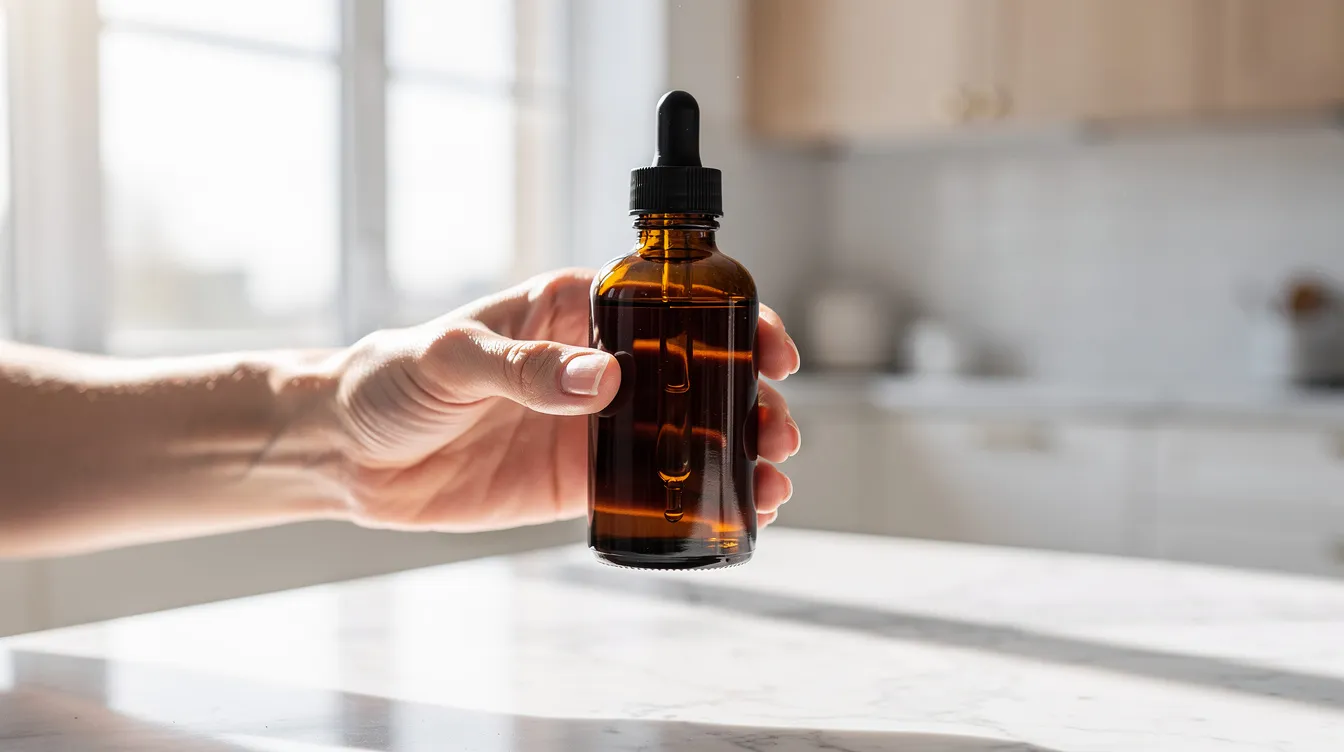
What is a CBD tincture (and how is it different from CBD oil)?
A cbd tincture is a liquid hemp extract-usually cbd plus other cannabinoids and terpenes from the cannabis sativa plant-delivered in a dropper for precise dosing. Traditionally, tinctures are made by soaking cannabis plant material in high proof alcohol, producing concentrated liquid extracts. A 2018 review found tinctures provide higher plant compound levels compared to some other formulations, which is partly why they remain popular.
The main difference between the two common formats:
- Alcohol-based tinctures: use ethanol as the solvent. Tinctures typically contain 25% to 60% solvent concentration. They tend to have a sharper, more herbal taste, so tinctures often contain flavorings to mask bitterness. These are the classic herbal extracts.
- Oil tinctures / cbd oil tinctures: oils are infused with cannabinoids and a carrier oil like mct oil, coconut oil, or hemp seed oil. They have a smoother mouthfeel and milder hemp flavor.
In the U.S. market, brands use “cbd oil,” “cbd oil tincture,” and “cbd tincture” interchangeably regardless of the base. Don’t rely on the name. Instead, check the ingredients panel to see whether the product uses alcohol or an oil base.
One common point of confusion:
- CBD oil / CBD tincture: contains cannabinoids from the hemp plant.
- Hemp oil: used loosely-may mean cbd oil or just seed oil. Always read the label.
- Hemp seed oil: pressed from seeds, rich in fatty acids, but contains no cbd.
At Upright CBD, we evaluate both alcohol-based and oil-based formulations, focusing on lab data and product quality rather than marketing language or claims about essential oils or other essential oils blended into the formula.
Types of CBD tinctures: full spectrum, broad spectrum, and CBD isolate
The type of extract in your tincture shapes both the effects you feel and the risks you carry-particularly around drug tests. Here is what each type actually means.
Full spectrum tinctures contain all compounds from the cannabis plant: cbd, trace thc (legally under 0.3% by dry weight per the 2018 Farm Bill), minor cannabinoids like CBG and CBN, plus terpenes and flavonoids. Full-spectrum CBD may enhance effects through the entourage effect, where these cannabis derived compounds work together. However, studies show that sustained daily use of full spectrum products can result in positive urine screens for thc metabolites, even from legal hemp.
Broad spectrum tinctures are processed to remove detectable thc while preserving other cannabinoids and terpenes. They sit in a middle ground: entourage-like benefits with reduced thc risk. That said, broad spectrum cbd products do not always guarantee zero thc due to limits of detection and possible trace residuals.
CBD isolate tinctures contain pure cbd only-typically 99%+ purity-mixed into an oil base. No thc, no other compounds. This is the safest option for anyone facing strict thc screening, though some users find isolate feels less “rounded” compared to full spectrum.
Matching spectrum tinctures to your goals:
| Goal | Best Fit |
|---|---|
| Maximum plant synergy, no drug test concerns | Full spectrum |
| Moderate synergy, reduced thc anxiety | Broad spectrum |
| Strict thc avoidance or sensitive to other cannabinoids | CBD isolate |
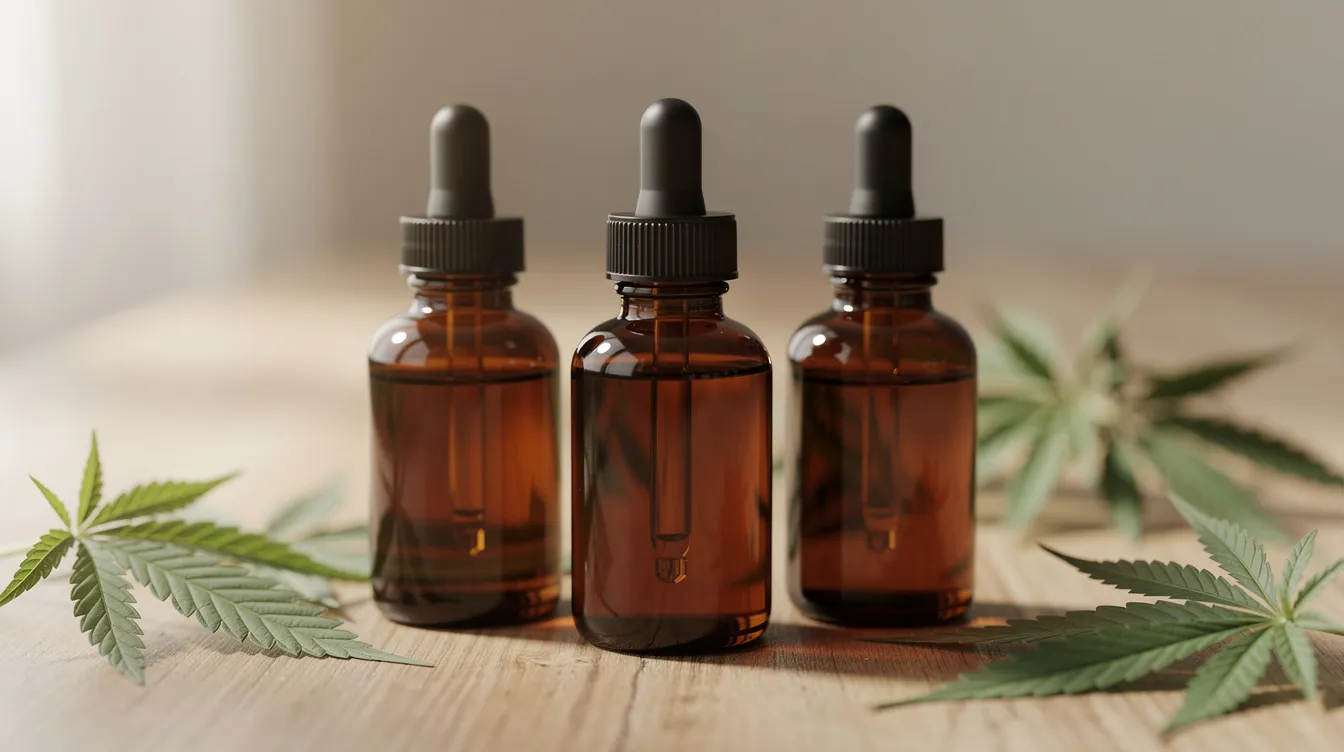
Reading the label: potency, carrier oils, and lab tests
Correct use of any cbd products starts with understanding what is on the bottle. You need three numbers: total cbd content, bottle size, and carrier oil type.
Interpreting potency:
- A 30 ml tincture labeled 1000 mg total cbd = approximately 33 mg per 1 ml dropper.
- Droppers are often marked at 0.25, 0.5, 0.75, and 1.0 ml. So 0.5 ml from a 33 mg/ml tincture gives you roughly 16–17 mg cbd.
- Some high potency tinctures pack 2000+ mg per bottle-the math stays the same, but each drop carries more. Measure tincture dosage using the dropper provided to avoid guessing.
Common carrier oils in cbd oil tinctures:
- MCT oil (from coconut oil): neutral flavor, thinner texture, may support quicker absorption since cbd is fat-soluble.
- Hemp seed oil: nutty taste, omega fatty acids, but does not add cbd by itself.
- Olive or sunflower oils: thicker, distinct flavor, found in some formulations.
Third party testing matters. Look for products with a certificate of analysis (COA) from an independent lab, dated within the past year and tied to the batch number on your bottle. COAs should confirm cbd and thc content match the label and screen for pesticides, heavy metals, solvents, and microbial contamination. Choose tinctures that are free of contaminants-this is non-negotiable.
Upright CBD’s policy is straightforward: we only speak positively about cbd products that provide accessible, independent lab testing. We do not accept sponsorships or affiliate commissions. Product quality is what earns a recommendation, nothing else.
How to find your dose: precise dosing without the hype
There is no universal cbd dosage. Results vary depending on body weight, metabolism, goals, and the spectrum type you choose. What research since 2018 does tell us is that the safe range for most adults is wide, giving you room to experiment carefully.
The “start low, go slow” framework:
- Start with a low dose of 5 to 10 mg twice daily for most adults (~70–80 kg).
- Hold that amount steady for 3–7 days before changing anything.
- If you are not noticing your desired effects, gradually increase by 5–10 mg per dose, allowing 2–3 days between each bump.
Goal-based ranges (not medical claims-just commonly reported patterns):
- General wellness / stress support: 10–30 mg per day, split into 1–3 doses. CBD tinctures can support emotional wellness and mood balance at these levels.
- Sleep support: 15–40 mg taken 1–2 hours before bed, especially useful for nighttime use.
- Discomfort after exercise: 15–50 mg, titrated as tolerated. CBD may help manage inflammation and pain, though individual responses differ.
Precise dosing is the whole advantage of tinctures over edibles or capsules. Use partial droppers-0.25 ml for a smaller step, 0.5 ml for a moderate one-to fine-tune. Keeping a journal can help track dosage and effects of cbd tinctures; note the date, time, mg, and how you felt two hours later.
A safety note: if you are considering doses above 70–100 mg per day, talk to a healthcare professional, particularly if you are taking cbd alongside liver-metabolized medications like warfarin, certain anti-seizure drugs, or high-dose acetaminophen.
Step-by-step: sublingual use vs. swallowing, food, and drinks
Cbd tinctures can be taken several ways, but sublingual use is usually the most efficient starting point for daily cbd supplementation.
Sublingual use (under the tongue):
- Draw your measured dose into the dropper.
- Place the liquid under your tongue, avoiding contact between the glass tip and your mouth.
- Hold tincture under the tongue for 60 to 120 seconds, then swallow.
- Sublingual administration allows cannabinoids to enter the bloodstream directly through the mucous membranes, bypassing the digestive system. Tinctures can take effect within 15 to 45 minutes this way.
That said, a pharmacokinetic study in healthy males found that plasma cbd levels were surprisingly similar whether drops were held sublingually or swallowed whole in capsules-suggesting much of the oil gets swallowed anyway. Still, most people feel effects within 15 to 45 minutes with sublingual use, making it a practical default.
Swallowing directly:
Mix your dose into a spoon of yogurt or applesauce, or simply swallow without holding. Oils may take longer to take effect due to digestion-typically 45–120 minutes-similar to edibles, with somewhat longer duration.
Adding cbd to beverages:
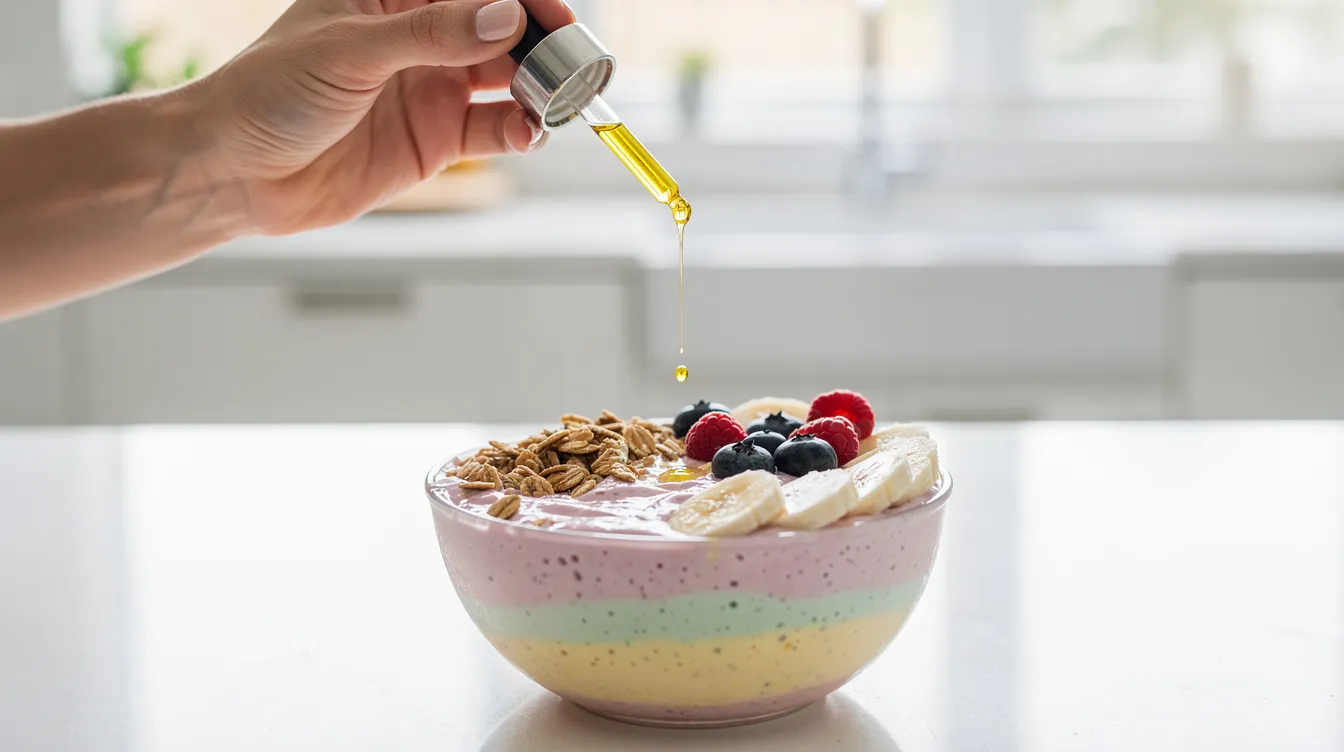
Tinctures can be mixed into food or beverages, but oil tinctures tend to float on water or black coffee. Stir well, or choose drinks with fat content (a latte with whole milk, a protein shake). Using CBD with food, especially fatty meals, can increase absorption.
Adding to food:
Works best with dishes that contain some fat-salad dressings, oatmeal with nut butter, smoothies. Avoid cooking at high heat, which can degrade cannabinoids. Add the tincture after cooking instead of frying with the oil.
Note: tinctures cannot be applied to the skin like oils formulated as topicals. If you want localized relief for joints or muscles, a topical product is the right format.
Pick one method and keep it consistent while dialing in your dose so you can actually tell what works.
Timing your CBD tincture: morning, evening, and combining doses
Timing affects how taking cbd feels. Some people notice alertness with lower doses in the morning; others find moderate doses before bed help them wind down.
Morning use: A low dose (5–20 mg) with breakfast can support daytime calm and focus. Food at this meal helps absorption. Try this for a full week before changing.
Evening use: A moderate dose (15–40 mg) taken 1–2 hours before bed may help with sleep onset. Full spectrum tinctures taken late at night can sometimes leave people groggy the next morning-if that happens, reduce the dose or move it earlier.
Split dosing: Half your daily cbd in the morning, half in the evening. This avoids peaks and valleys, maintaining steadier background levels. For example, 20 mg per day could be split into 10 mg morning and 10 mg evening.
CBD tinctures can support emotional wellness and mood balance when taken consistently. Keep other habits constant for several days-caffeine, alcohol, bedtime-when testing new timing, so you can isolate what the tincture is doing.
Americans working rotating shifts or night shifts should dose relative to their anchor sleep period, not the clock. A dose 1–2 hours before your main sleep window works regardless of whether that is 10 p.m. or 8 a.m.
Safety, side effects, and when to talk with a doctor
CBD has a good safety profile at doses up to 200 mg in short-term studies (under 13 weeks), but caution is still warranted-especially at higher amounts or when combining with other medications.
Common mild side effects:
- Reported side effects of CBD include drowsiness and dry mouth.
- Gastrointestinal upset (diarrhea, nausea) at higher doses.
- Changes in appetite or subtle mood shifts.
These typically resolve by lowering the dose or stopping use. A phase 1 study giving single doses up to ~1,400 mg after a high-fat meal saw only mild adverse events like headache and diarrhea.
Drug interactions:
CBD may interact with medications that affect liver enzymes. It is metabolized by cytochrome P450 enzymes (CYP3A4, CYP2C19), which means it can alter blood levels of drugs that share those pathways-including blood thinners like warfarin, certain anti-seizure drugs, and some antidepressants. An FDA safety study administering 250–550 mg/day for 28 days observed liver enzyme elevations in some participants. If you are taking other medications, bring the exact cbd oil tincture label (in mg/ml) to your clinician or pharmacist for review.
Stop and seek care if you experience:
- Severe dizziness, chest pain, or difficulty breathing
- Extreme anxiety after use-especially if the product may have been mislabeled with higher thc
Legal status (2026): Hemp-derived cbd with less than 0.3% thc is federally legal, but state rules vary depending on where you live. Check your state health department resources.
Upright CBD does not replace medical advice. Our role is to scrutinize health claims and product labels so you can have more informed conversations with real clinicians about the health benefits and risks that matter to you.
How CBD tinctures compare to other CBD formats
Tinctures are not the only way to use cbd, but they remain the most flexible format for people dialing in their routine. Here is how they stack up.
| Format | Onset | Dosing Flexibility | Key Tradeoff |
|---|---|---|---|
| Tinctures | 15–45 min (sublingual) | High (quarter-dropper adjustments) | Taste; carrying cbd liquids |
| Gummies / edibles | 60–120 min | Low (fixed per piece) | Convenient, but added sugar; slower onset |
| Capsules / softgels | 45–90 min | Low (fixed dose) | Tasteless, familiar; hard to adjust dosage finely |
| Vapes | 2–5 min | Moderate | Fastest onset, but lung safety concerns; shorter duration |
| Topicals | 15–45 min (local) | Moderate | Local pain relief only; minimal systemic absorption |
Tinctures offer more precise dosing and faster, more predictable onset than edibles. Capsules are convenient but you cannot easily adjust dosage the way you can with a half-dropper. Vaping delivers cbd to the bloodstream fastest, but carries lung risks and requires hardware. Topicals target local areas and mostly stay in the skin, making them poor choices for systemic goals like sleep or stress.
For many people starting cbd in 2026, a cbd oil tincture is the most flexible base product. Once you know your dose and timing, you can layer gummies for travel convenience or topicals for joint soreness.
Storing your CBD tincture and making it part of your routine
Cbd is sensitive to light, heat, and air. How you store your tincture affects potency over months.
Storage tips:
- Keep tinctures in their original dark glass bottles (or clear tincture bottles if that is what came with the product), tightly closed.
- Store in a cool, dark place-a cabinet away from windows, ovens, and steamy bathrooms. Never let tinctures sit in direct sunlight or a hot car.
- Avoid spots where temperature swings frequently.
Household safety:
- Use child-resistant caps when provided.
- Store out of reach of children and pets, similar to alcohol or medication.
- If you have both full spectrum and isolate products, label bottles clearly to avoid mix-ups.
Building the habit:
- Pair your dose with something you already do daily-brushing teeth, making evening herbal tea, or adding cbd to your morning coffee.
- Use a phone reminder for the first 2–3 weeks until the habit sticks.
Properly stored tinctures typically remain stable for 12–24 months. Check “best by” dates and discard any product that smells rancid or looks cloudy.
How Upright CBD evaluates tinctures (and why we never take sponsorships)
Upright CBD exists for one reason: to keep cbd honesty at the forefront for American readers. We independently review cbd oils and cbd tinctures without sponsorship, affiliate kickbacks, or any financial incentive to favor one brand over another. When we say a product is worth your money, it is because the data backs it up.
Our core review criteria for cbd oil tinctures:
- Transparent, recent third party testing (potency, terpene profiles, contaminant screening for heavy metals, pesticides, and solvents).
- Clear labeling of full spectrum, broad spectrum, or isolate-no vague “hemp extract” language without a COA to match.
- Realistic dosing guidance and honest warnings about thc where applicable.
- Marketing that does not promise miracle cures or unsubstantiated health benefits.
We sometimes compare alcohol-based and oil tinctures, evaluate hemp seed oil content versus actual cannabinoid concentration, and review added ingredients like melatonin, valerian, or chamomile in sleep formulas. We highlight both the pros and cons, because that is how trust is built.
Think of our stories and product breakdowns as a second opinion on labels and claims before you spend your money. We have no financial incentive to push any brand-adding cbd to your routine should be your informed choice, not ours.
To wrap up: using a cbd tincture well means understanding your spectrum type, dialing in your dose with a start low approach, picking a consistent method, and paying attention to timing. The rest is personal experimentation-your body, your schedule, your goals.
We encourage you to study our independent reviews across Upright CBD’s stories. Take notes on your own experience. And when you are ready, bring both your journal and your product info to your healthcare professional for truly personalized guidance. That combination-honest product data plus clinical oversight-is how you get real results without the noise.

Recent Comments