

How Much CBD Should a Beginner Start With for Anxiety? An Evidence-Based Guide
If you’re wondering how much cbd should a beginner start with for anxiety, here’s the short version: for most healthy adults new to CBD, a common starting dose is 10–20 mg of oral cbd per day, with a plan to gradually increase if needed. Experts recommend starting CBD with a low dose for anxiety management, sometimes as little as 5–10 mg for sensitive individuals.
There is no one-size-fits-all cbd dosage. Your ideal cbd dose depends on several factors, including:
- Body weight and metabolism
- Sensitivity to supplements
- Type of anxiety (general stress vs. diagnosed anxiety disorders like generalized anxiety disorder or panic disorder)
- Product type – cbd oil, cbd gummies, capsules, full spectrum cbd, or broad spectrum options
CBD is not FDA-approved for anxiety. If you have a diagnosed condition, talk to a healthcare professional before starting. At Upright CBD, we do not take sponsorships or affiliate commissions from any brand to promote their products. Everything here is based on published research and our commitment to cbd honesty for American consumers.
Table of Contents
Quick Answer: How Much CBD Should a Beginner Start With for Anxiety (With Simple Examples)
For most adults, start with a small dose of 5–10 mg of cbd once per day for at least 3–5 days before adjusting. Take it in the evening initially so you can watch for drowsiness. If you tolerate that well and want more effect, you can work up to 15–20 mg. Some people prefer starting as low as 5 mg if they’re particularly sensitive or have lower body weight.
Here’s what that looks like with real products:
- 25 mg cbd gummy: Cut it into halves or quarters. A quarter gives you roughly 6 mg – a solid starting dose for a cautious beginner.
- 30 mL bottle with 900 mg cbd oil (30 mg/mL): Use 0.3–0.6 mL per day (about 9–18 mg of cbd). Sublingual oils allow for easier and more precise cbd dosing.
- 15 mg capsule: Take 1 capsule daily – simple, no math required.
The core principle is straightforward: start low, go slow, and gradually increase only if needed.
You may have seen that clinical trials for anxiety use 300–600 mg per dose. Those study doses are medically supervised and not typical for home use. In one trial, 300 mg per day reduced physical anxiety symptoms in high-trait worriers, while 50 mg did not outperform placebo. But these are research conditions – not a beginner’s starting point. This cbd dosage guide is designed for people taking their first steps, not replicating lab protocols.
What Is CBD and How Does It Relate to Anxiety?
CBD (cannabidiol) is a non intoxicating compound found in hemp. Unlike THC – the main compound in cannabis that produces a “high” – CBD does not cause intoxication. CBD may help manage anxiety symptoms for some adults by interacting with the body’s endocannabinoid system, which helps regulate mood, stress, sleep, and pain relief responses.
Research suggests CBD may influence anxiety through several pathways, including serotonin 5-HT1A receptors and dampening of amygdala activation in fear and stress circuits. This doesn’t mean CBD is a guaranteed cure – it means there’s a plausible biological basis for why some people report reducing anxiety after taking cbd.
Key distinctions to understand:
- CBD vs. THC: CBD doesn’t get you high. THC can worsen anxiety for some individuals, especially at higher amounts.
- Hemp-derived CBD: Contains less than 0.3% THC. Legal in most U.S. states.
- Marijuana-derived products: May have much higher THC and can trigger or amplify anxiety.
Human research on CBD and anxiety is still emerging. Most studies use oral cbd doses from about 25 mg up to several hundred milligrams in clinical settings. CBD is not a replacement for prescription medication or therapy without medical guidance.
Why CBD Dosage for Anxiety Varies So Much
CBD dosage is highly individual. What calms one person at 15 mg might require 40 mg for someone else. There are no standardized dosing guidelines for anxiety, only starting points. Individual response to CBD can vary based on factors such as body weight and metabolism.
Personal factors:
- Body weight and body composition – a heavier person may need a slightly higher dose, but this isn’t a strict formula
- Metabolism and liver function – fast metabolizers process CBD quicker, potentially needing more frequent dosing
- Previous cannabis or CBD use – your endocannabinoid tone and tolerance matter
- Type and severity of anxiety – occasional social stress is different from chronic generalized anxiety disorder or panic disorder
Product-related factors:
- Spectrum type – full spectrum cbd includes trace THC and other cannabinoids (entourage effect), broad spectrum cbd removes THC, and cbd isolate is pure CBD without other cannabinoids or terpenes. These affect how much cbd you may need for the same desired effect.
- Delivery method – cbd oil, cbd gummies, capsules, beverages, and vapes all have different bioavailability, meaning your body absorbs different percentages of the CBD you ingest.
- Quality and accuracy of labeling – not all products contain what they claim.
Because of these variables, any cbd dosage guide can only give starting points. Your individual body chemistry determines the right dose, and finding it takes patience, not guesswork.
Understanding CBD Product Types for Anxiety (Oils, Gummies, Capsules & More)
Product type matters for two reasons: how fast CBD works, and how easy it is to calculate dosage with precision. CBD products include oils, edibles, capsules, and topicals – each with different characteristics for anxiety use.
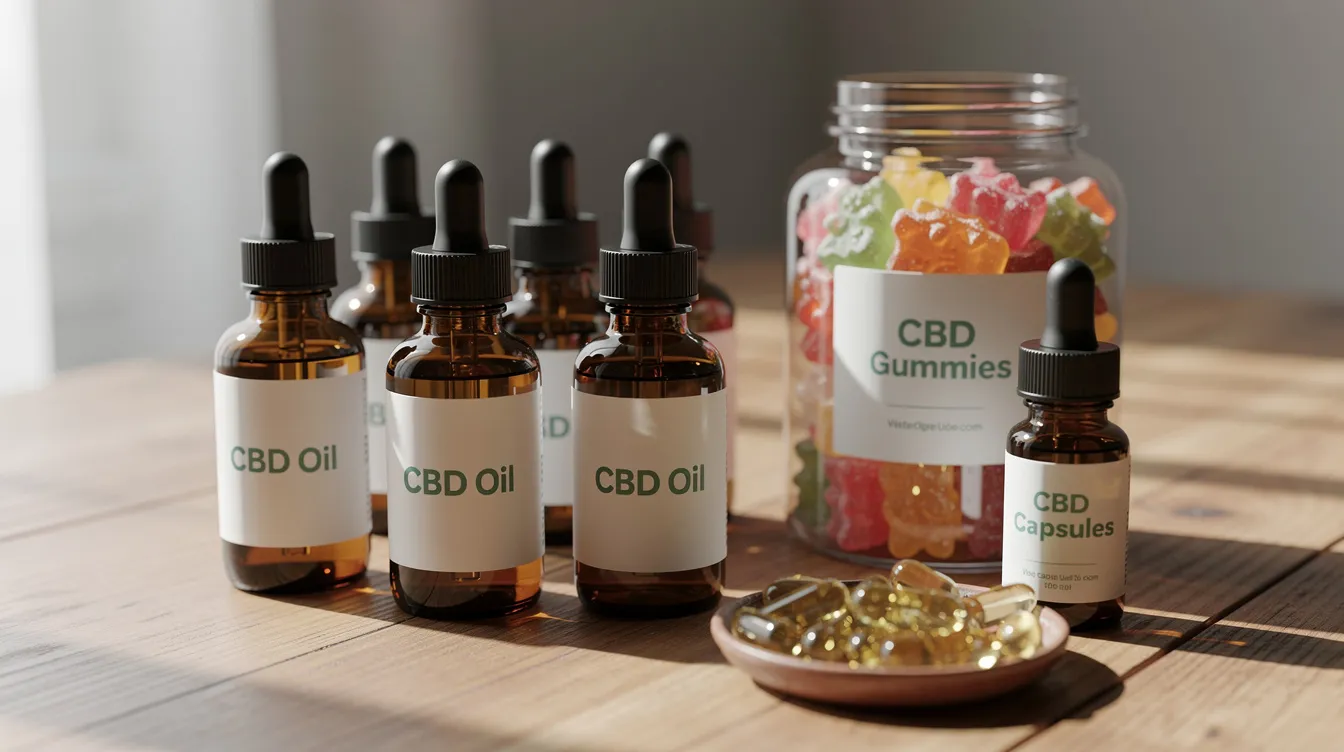
CBD oils and tinctures offer faster onset (typically 30–60 minutes when held under the tongue) and allow precise dosing – you can adjust your dose mg by mg using a dropper. This makes them ideal for titrating your way to the right cbd dosage for anxiety.
Gummies and capsules have slower onset (60–120 minutes as they pass through the digestive system) but are convenient and discreet. Each unit has a fixed mg of cbd, which simplifies tracking but makes fine adjustments harder. CBD effects from oils or gummies can take 30 minutes to 2 hours to become noticeable.
CBD beverages like broad spectrum cbd seltzers offer a lighter, social way to try a low dose of CBD. A typical cbd seltzer contains 5–25 mg per can – reasonable for a beginner looking for mild stress relief.
CBD topicals deliver localized effects without entering the bloodstream. They can help with pain relief in specific areas but are not effective for systemic anxiety relief and belong in a different part of your wellness routine.
Spectrum definitions in product context:
- Full spectrum: includes THC up to 0.3%, other cannabinoids, cannabinoid acids, and terpenes. Some people find spectrum cbd products feel stronger per mg.
- Broad spectrum: similar profile but thc free to non-detectable levels.
- CBD isolate: only CBD. Some people find they need a higher mg dose with isolate to reach the same effect.
If you’re sensitive to anxiety from THC, favor broad spectrum or isolate products, and always check third-party test results.
How to Calculate Dosage From Your CBD Product Label
Learning to read CBD labels is essential to calculate dosage accurately and avoid taking too much cbd or too little. Here’s a simple process:
- Find total CBD in the package. Example: “900 mg CBD per 30 mL bottle” or “30 gummies, 25 mg CBD each.”
- Determine CBD per mL (for oils) or per unit (for gummies/capsules). Divide total CBD by total volume or number of pieces.
- Decide on your target beginner dose. For most people, that’s 10–20 mg per day.
- Convert your target mg into mL or number of pieces.
Concrete examples:
- Full spectrum cbd oil: 1,000 mg in 30 mL = about 33 mg/mL. A beginner aiming for 15 mg takes roughly 0.45 mL (about half a standard 1 mL dropper).
- Capsules: Bottle of 30 capsules at 10 mg each. Beginner starts with 1 capsule daily. Simple.
- Gummies: Jar of 20 gummies at 25 mg each. Beginner cuts one gummy into quarters (roughly 6 mg each) to start low.
For very fine adjustments: a 10-mL bottle of CBD oil contains about 200 drops, and each drop of CBD oil typically contains about 5 mg of CBD. This makes precise dosing possible down to single-milligram increments.
The most important step: check Certificates of Analysis (COAs) to verify that the actual CBD content matches the label. Widespread mislabeling in the U.S. market means the number on the front of the bottle isn’t always what’s inside. Without accurate labeling, it’s impossible to find the right cbd dosage.
The “Start Low, Go Slow” Plan for Beginners With Anxiety
Here’s a practical cbd dosage guide structured as a simple plan. The “start low, go slow” method minimizes side effects and helps you find the minimum effective dose – the lowest amount that meaningfully reduces your anxiety.
Week 1: Start with 10 mg CBD once daily in the evening. Maintain the initial dose for 3–5 days before adjusting. Don’t re-dose within a few hours. For anxiety, daily consistent use of CBD is often considered more effective than sporadic dosing.
Week 2: If you notice little change and no unwanted side effects, increase to 15–20 mg once daily. Or split into two smaller doses (e.g., 10 mg morning + 10 mg evening) if you prefer sustained coverage.
Week 3: If anxiety is still not improved, consider a moderate dose increase of 5–10 mg per day (e.g., from 20 mg to 25–30 mg). Increase dosage by 5 mg every 5–7 days if needed.
Week 4 and beyond: Continue gradual increases in 5–10 mg steps only as necessary. Observe effects and document experiences during dosage adjustments. Some people find their sweet spot at 10–15 mg. Others don’t feel meaningful effects until 25–40 mg. Patience matters.
When to stop increasing:
- You’ve reached effective symptom control – your anxiety is noticeably lower most days
- You experience potential side effects like fatigue, digestive upset, or feeling “off”
- You’ve passed 50–70 mg/day without added benefit – consult a healthcare provider before going higher
- You’ve tried different doses over several weeks without improvement – CBD may not be the right tool for you
The goal is not chasing higher doses. It’s finding the perfect dose – the lowest amount that actually works.
Tracking Your CBD Journey: How to Know If Your Dose Is Working
Tracking daily cbd dosage and effects may help in adjusting treatment and separating real results from wishful thinking. Without data, it’s easy to spend money on cbd products that aren’t actually doing anything for your mental health.

Keep a simple CBD journal (paper, phone app, or spreadsheet) that records:
- Date, time, and cbd dose (mg and product type)
- Anxiety rating (0–10 scale) before dosing and a few hours after
- Notes on sleep struggles, stressors, panic episodes, and mood
- Any adverse effects like fatigue, dry mouth, or digestive upset
Over 1–3 weeks of consistent tracking, look for these patterns:
- Lower baseline anxiety scores on most days
- Fewer spikes of panic or racing thoughts
- Improved ability to fall asleep or stay asleep
- Less reliance on emergency coping behaviors
If your anxiety is unchanged after several careful dose increases across several weeks, CBD may not be the right fit – or it may need to be combined with therapy or other approaches under professional guidance. Some users report benefits from modest doses of CBD, while others don’t respond at all. Both outcomes are valid.
At Upright CBD, we encourage readers to be skeptical, data-driven, and self-protective. Tracking helps avoid magical thinking around how many mg of any supplement you’re consuming.
Safety, Side Effects, and When to Talk to a Healthcare Professional
CBD is generally well tolerated in adults. Most people tolerate up to 1,500 mg of CBD daily in clinical research settings, though safety and side effects still deserve attention. “Well tolerated” does not mean “risk-free.”
Common side effects (even at a low dose or moderate dose):
- Sleepiness or fatigue
- Dry mouth
- Changes in appetite or weight
- Loose stool or digestive upset
- Lightheadedness, especially with blood pressure shifts
Medication interactions: CBD inhibits certain liver enzymes (CYP450), which can alter blood levels of:
- Blood thinners like warfarin
- Certain antidepressants and antianxiety drugs (SSRIs, benzodiazepines)
- Seizure medication (notably, Epidiolex is a prescription CBD product – the only FDA-approved CBD, and it’s for seizures, not anxiety)
- Some heart medications
Relevant animal studies and human data both point to liver enzyme interactions as a real concern when combining CBD with prescription medication.
When to consult a healthcare professional:
- Before starting CBD if you take any prescription drugs, are pregnant or breastfeeding, or have liver disease
- If anxiety worsens, panic attacks increase, or mood becomes unstable after taking cbd
- If you’re considering doses above 50–70 mg/day for ongoing use
- If you have a diagnosed anxiety disorder – CBD is a potential treatment tool, not a certified one
CBD is not FDA-approved for anxiety. Product quality varies widely across the U.S. market, making clinician input and careful product selection even more important. The British Journal of Clinical Pharmacology and other publications continue to study different dosages and long-term outcomes, but the clinical data is not yet conclusive enough for official dosing recommendations.
Choosing Honest, High-Quality CBD Products for Anxiety Relief
The CBD market is largely unregulated, leading to variability in product concentrations. In a market where the FDA itself warns about quality concerns, independent testing, transparent COAs, and non-sponsored reviews are critical. At Upright CBD, this is exactly what we do – and we never accept payment from brands to promote their products.
What to look for:
- Third-party lab reports (COAs) showing cannabinoid profile, including CBD mg per serving and THC content, plus tests for pesticides, heavy metals, and solvents
- Clear labeling of total CBD content, CBD per dose, spectrum type, and batch number
- U.S.-grown hemp with disclosed extraction methods (CO2 or ethanol) and manufacturing dates
Red flags to avoid:
- No accessible COA, or only generic, undated lab reports
- Vague labels like “hemp extract” with no mg listed
- Overblown promises like “cures anxiety disorders” or “replaces your meds” – these are signs of dishonest marketing, not legitimate medical cannabis guidance
We encourage you to cross-check brands using independent reviews rather than trusting brand-sponsored content. Study our stories at Upright CBD – we independently review CBD and CBD-related products so you can compare lab results and real-world dosing experiences without sales pressure. Honest product quality is the foundation for any appropriate dosage plan. Without accurate labeling, you simply cannot find the right dose.
Putting It All Together: Building a Responsible CBD Plan for Anxiety
Here are the key steps for beginning your cbd journey with anxiety, in order:
- Talk to a healthcare provider if you have diagnosed anxiety disorders, take prescriptions, or have major health conditions.
- Choose a reputable, CBD-dominant product – full spectrum or broad spectrum cbd with low THC, a clear label, and a current COA.
- Start with a low cbd dose (10–20 mg/day, or even 5–10 mg if you’re very sensitive). Take it in the evening for the first few days.
- Keep the same dose for at least 3–7 days while tracking anxiety symptoms and any side effects in a journal.
- Gradually increase in 5–10 mg steps only if needed, aiming for the minimum effective dose – not the maximum tolerable one.
- Reassess after 3–4 weeks. If anxiety remains high despite a slightly higher dose each week, consider therapy, lifestyle changes, or physician-guided adjustments rather than simply pushing your dosage higher.

CBD is one tool among many for managing anxiety. It works alongside sleep hygiene, exercise, therapy, and sometimes medication – not as a replacement for any of them. Be patient with your body responds to different amounts, and stay skeptical of anyone promising a perfect dose without knowing your body chemistry.
At Upright CBD, we’ll continue publishing independent stories and reviews so Americans can compare products, lab results, and real-world experiences without sales pressure. Some people experience noticeable calm from modest CBD doses. Others may not respond at all, and recognizing that honestly is part of the process. Your next step is simple: pick a quality product, start at 10 mg, and track what happens – no hype, just data.

Recent Comments