

How Much CBD Oil for Dogs? Honest Dosage Guide from Upright CBD
If you’ve ever stared at a bottle of cbd oil wondering how much cbd to actually give your dog, you’re far from alone. Many pet parents ask the same question, and the answers floating around online range from vague to dangerously wrong. This guide cuts through the noise with research-backed numbers, real math, and zero brand sponsorship.
Table of Contents
Quick Answer: How Much CBD Oil Should I Give My Dog?
The appropriate amount of cbd oil for dogs depends on weight and health needs. Most veterinary literature points to a starting dose of 0.1 to 0.2 mg CBD per pound of body weight, given once or twice daily, for general wellness or mild situational anxiety. For tougher problems like arthritis pain, chronic inflammation, or seizures, doses can climb to roughly 0.5–1 mg per pound daily, split into two doses, but only under direct veterinary guidance. The common starting dose works out to about 1–2 mg per 10 pounds.
Two quick examples to make this concrete:
- A 12 lb Chihuahua at 0.2 mg/lb gets about 2.4 mg cbd per dose, once or twice a day.
- A 60 lb Labrador at 0.2 mg/lb gets about 12 mg cbd per dose, once or twice a day.
These numbers refer to mg of CBD, not drops or mL. The volume you draw from the dropper depends entirely on your cbd product concentration, which we’ll cover below. Higher doses may be necessary for severe conditions like chronic pain or seizures, but a lower amount of CBD is often recommended first to gauge tolerance.
Hemp-derived cbd products must contain less than 0.3% THC. Unlike thc, CBD is non-intoxicating, meaning a properly made pet cbd oil will not make your dog high. These are evidence-based ranges, not marketing claims. Always consult your veterinarian before starting cbd for your dog, especially if the dog takes certain medications.

How CBD Works in Dogs (And Why Dosage Depends on the ECS)
CBD, short for cannabidiol, is a compound extracted from hemp plants. Dogs, like humans, have an endocannabinoid system with CB1 and CB2 receptors distributed throughout the brain, nervous system, immune cells, and joints. CBD doesn’t flip these receptors on the way THC does. Instead, it indirectly modulates ECS signaling by influencing natural enzymes and receptor sensitivity.
The ECS plays a role in pain perception and inflammation, mood and stress response, appetite and nausea, and sleep and immune balance. CBD has anti-inflammatory effects that may benefit a dog’s health, and studies show CBD may lower signs of stress in dogs. Research from 2018–2023 has shown promising results: CBD may improve mobility in dogs with arthritis, may help manage seizure activity in dogs with epilepsy, and cbd oil can help with various health conditions including anxiety and chronic pain.
That said, CBD is still not FDA-approved for pets. And because the ECS works toward homeostasis, more CBD is not automatically better. Overshooting often just produces sleepiness or stomach upset rather than greater relief. This is exactly why finding the right cbd dosage matters.
Key Factors That Influence CBD Dosage for Dogs
There is no one-size-fits-all cbd dosage. Ranges must be individualized around several variables. Dogs metabolizing CBD may require adjustments in dosage based on age or health conditions. Here’s what moves the needle:
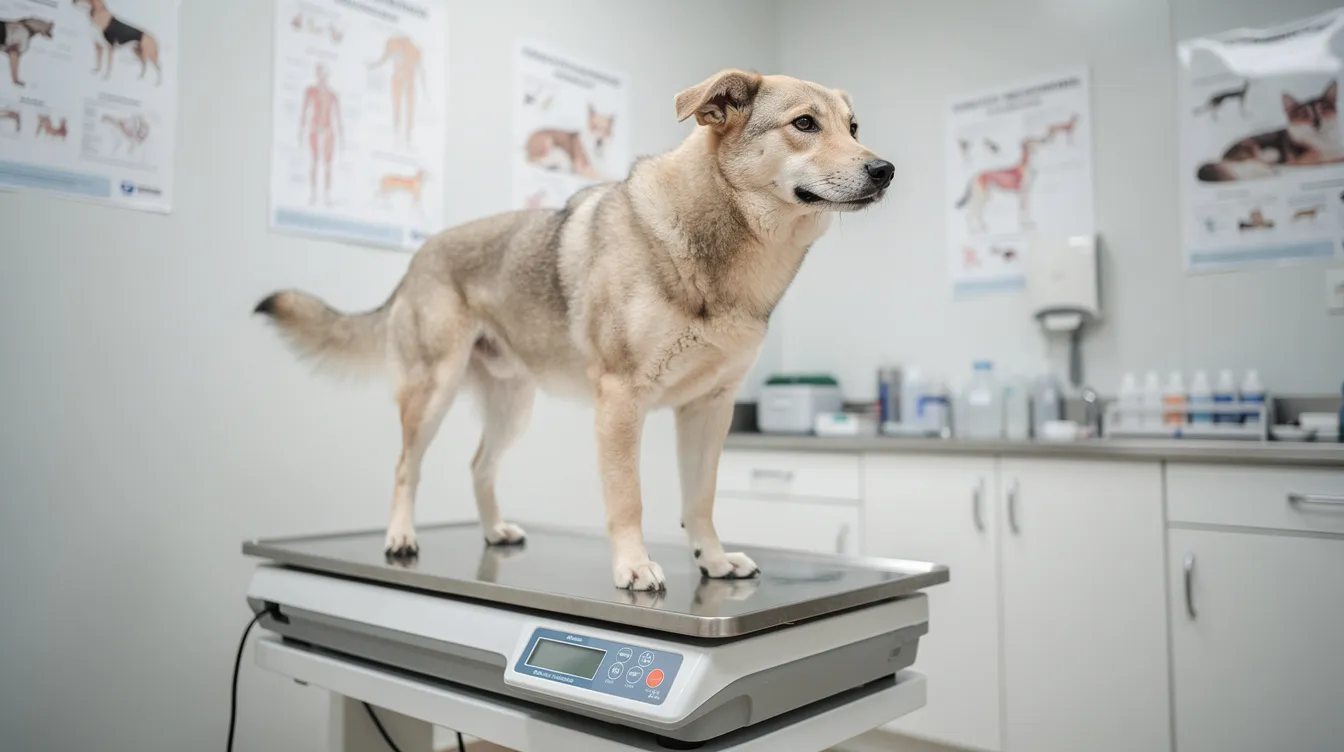
- Body weight – Your dog’s weight is the base unit for every dosage calculation. Guidelines are always expressed as mg per pound (or per kg) of body weight. Weigh your dog on an actual scale; guessing leads to under- or overdosing.
- Condition or goal – For general wellness or mild anxiety, a low dose is usually enough. Chronic joint pain or inflammation calls for a moderate dose. Seizures or severe anxiety require higher therapeutic doses under veterinary supervision only.
- Individual tolerance and age – Senior dogs, dogs with liver disease, or low-activity dogs may need less. Very active, high-metabolism dogs may need more per pound. The rule of thumb in veterinary medicine is “start low and go slow” to map each dog’s individual response curve.
- Product type and spectrum – Oils, treats, and capsules each absorb differently. Full-spectrum products contain trace THC and minor cannabinoids. Broad spectrum removes THC entirely. Isolate is pure CBD. For long-term daily cbd use, many vets prefer broad spectrum THC-free oils. Different sizes of dogs may also require different concentrations of cbd products.
- Other medications and health status – CBD can interact with medications metabolized by the liver, including some NSAIDs and seizure drugs. If your dog takes other supplements or prescriptions, vet oversight is essential before giving cbd.
Weight-Based CBD Dosage Ranges (With Real-World Examples)
Below are starting ranges drawn from veterinary literature. These are not maximums; they’re where to begin. Doses of 2 mg/kg twice daily may help with arthritis pain based on controlled studies. CBD can be given twice daily for chronic conditions. Monitor your dog closely when adjusting cbd dosage.
- Under 15 lbs (example: 10 lb small dog)
- Wellness/mild anxiety: ~1–2 mg cbd per dose
- Chronic pain (vet-approved): up to ~4–5 mg per dose, titrated gradually
- 15–30 lbs (example: 20 lb Beagle – medium dogs)
- Wellness/anxiety: 2–4 mg per dose
- Pain/inflammation: 4–8 mg per dose
- Step up gradually every 3–4 days, not overnight
- 30–60 lbs (example: 45 lb Australian Shepherd, 60 lb Labrador)
- Wellness/anxiety: ~4–8 mg (45 lb) to 6–12 mg (60 lb) per dose
- Arthritis or severe discomfort (vet guidance): up to ~15–25 mg per dose, split twice daily
- 60–100+ lbs (example: 80 lb German Shepherd – large dogs)
- Wellness/anxiety: ~8–16 mg per dose
- Pain or seizure adjunct: vet-supervised ranges approaching 0.5–1 mg per pound daily in divided doses
A meta-analysis of canine osteoarthritis trials confirmed that 2–2.5 mg/kg every 12 hours produced statistically significant pain reduction. Keep a simple log: date, mg given, time, and your dog’s response in terms of mobility, sleep, appetite, and anxiety signs.
How to Calculate CBD Oil Dosage From Your Bottle
The confusing part for most dogs owners is turning “mg per pound” into “how many mL from this specific bottle.” Here is the universal formula:
- Find product potency: total mg CBD on the label ÷ bottle size in mL = mg per mL
- Calculate your dog’s dose in mg: pet’s weight in lbs × target mg per lb
- Required mL: desired mg ÷ mg per mL
Example 1: A 30 mL bottle labeled 600 mg cbd total = 20 mg per mL. A 25 lb dog at 0.2 mg/lb needs 5 mg cbd per dose. That’s 5 ÷ 20 = 0.25 mL per dose.
Example 2: A 30 mL bottle labeled 1500 mg cbd = 50 mg per mL. Same 25 lb dog, same 5 mg dose: 5 ÷ 50 = 0.1 mL per dose – a much smaller volume.
Most droppers are marked at 0.25, 0.5, 0.75, and 1.0 mL. Measure by those marks, not by counting drops. Drop size varies wildly with viscosity, angle, and temperature.
Simply giving “one full dropper” without this math is exactly how accidental dog overdose and side effects happen. A full 1 mL dropper from that 1500 mg bottle delivers 50 mg – potentially a standard dose for an 80 lb dog but far too much cbd for a small dog. At Upright CBD, we review labels and lab reports in our independent guides so readers can double-check potency and math before dosing.
CBD Oils vs Treats vs Other Products: How Format Changes the Dose
How you deliver CBD affects how fast it works and how precisely you can dose it. CBD oils provide the most precise dosage control for dogs, but they aren’t the only option.
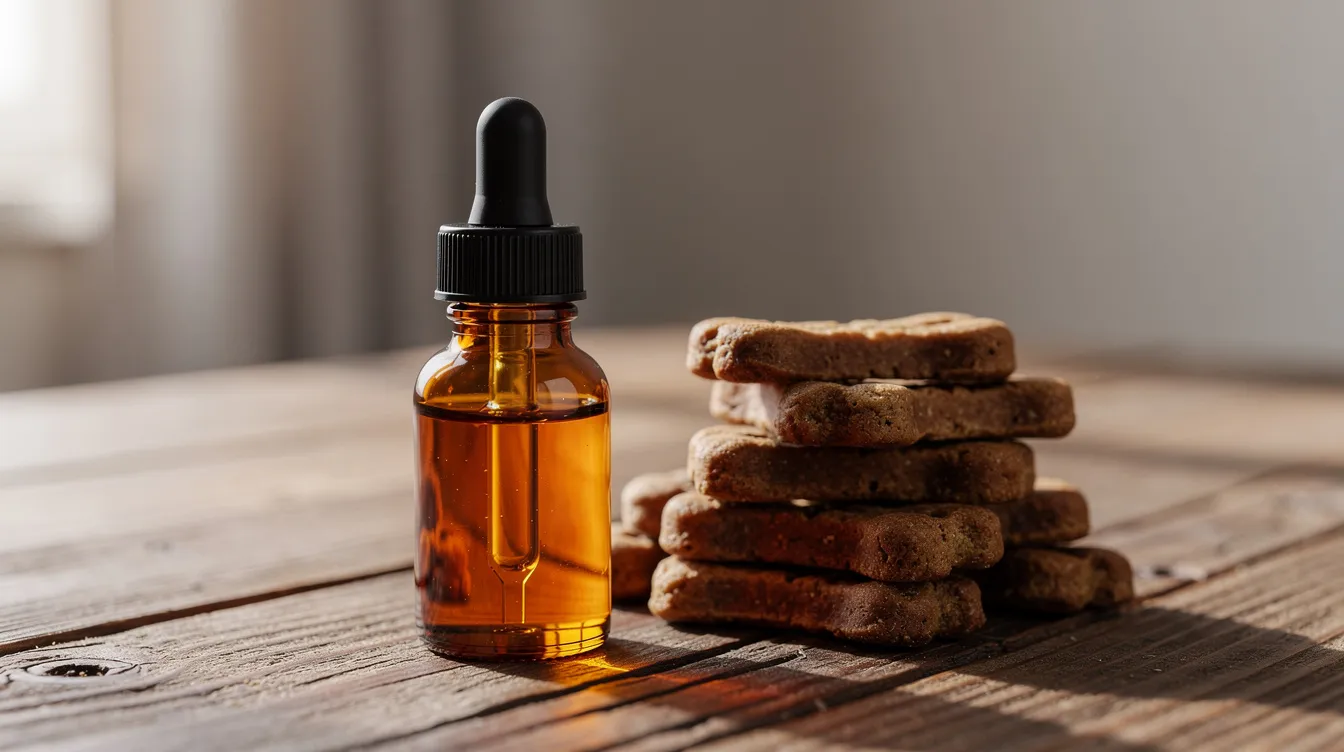
- CBD oil tinctures – The most precise way to dose by body weight. You can adjust in tiny mL increments. Onset is often 20–40 minutes when placed along the gum line or under the tongue. A pharmacokinetics study comparing formulations found that liquid forms reach peak concentration faster than semi-solid treats. Ideal for finding the right dose through small mg changes.
- CBD treats and chews – Each treat has a fixed mg amount (e.g., 5 or 10 mg). Dogs love them, but matching an exact mg-per-pound target is harder. A 10 mg chew is too high as a starting dose for a 10 lb dog. Best used for maintenance once a stable dose is confirmed.
- Capsules and softgels – Good for large dogs on stable higher doses (15–25 mg twice daily). Less flexible for tiny adjustments.
- Topicals (balms, creams) – Useful for localized issues like sore paws or hotspots. Minimal systemic absorption, so they don’t replace oral cbd dosage for anxiety or seizures. Note: never confuse these with essential oils, which can be toxic to dogs.
Start with oil to dial in the right cbd dosage, then optionally add treats once you know the mg that works.
The Titration Method: Safely Finding Your Dog’s “Sweet Spot”
Titration means gradually increasing cbd dosage until benefits appear without troublesome side effects. It’s the approach used in most published veterinary science studies, and it works because every dog’s individual metabolism and sensitivity differ.
Here’s a practical 2–3 week schedule:
- Days 1–3: Start at ~0.1 mg per pound once daily. This is your baseline low dose.
- Days 4–7: If no side effects and no noticeable change, move to ~0.1 mg per pound twice daily.
- Week 2 onward: Increase by 0.05–0.1 mg per pound per dose every 3–4 days as needed.
- Stop increasing once the desired effect is reached and maintain that dose.
Monitor your dog closely when adjusting. Watch for:
- Pain indicators: ease of standing, willingness to climb stairs, morning stiffness
- Anxiety signs: pacing, vocalizing, panting, hiding, ability to settle during a car ride or stressful event
- Side effects: sedation, wobbliness, diarrhea, reduced appetite
If side effects appear, drop back to the previous comfortable dose. If problems persist, stop CBD and call the vet. Some pet owners see subtle benefits within days, but clearer changes for conditions like arthritis often emerge after 3–4 weeks of consistent daily cbd. Keep a short journal noting time, mg, and effects. It makes vet visits far more productive.
Safety, Side Effects, and Can a Dog Overdose on CBD?
CBD has a wide safety margin in dogs when dosed by body weight. A 90-day safety study found that 5 mg/kg/day of broad-spectrum hemp extract was well tolerated in healthy dogs, with only mild, self-limiting issues. CBD has a wide safety margin; research indicates doses up to 20 mg/kg are safe in controlled settings.
Common side effects at higher doses include:
- Lethargy or excessive sleepiness
- Wobbly gait or unsteadiness
- Diarrhea, soft stool, or vomiting (digestive system irritation)
- Increased thirst or dry mouth
- Temporary drop in blood pressure (dullness, disinterest)
Common side effects include drowsiness and gastrointestinal upset, and these typically resolve when the dose is reduced.
Can a dog overdose on CBD? True life-threatening overdose from hemp-derived cbd alone is rare. The real danger comes from products containing more THC than labeled or toxins like xylitol, an artificial sweetener sometimes found in flavored products. Safety guidelines suggest avoiding cbd products containing xylitol or high levels of THC. Signs of serious toxicity – extreme disorientation, continuous vomiting, collapse, seizures – require an immediate emergency vet visit.
For cbd long term safety: multi-month studies at ~4 mg/kg/day show that some dogs develop reversible elevation in liver enzymes, particularly ALP. Periodic bloodwork is recommended for dogs on daily cbd, especially seniors. Keep all cbd supplements in child- and pet-proof containers, and never give your dog human edibles like gummies or chocolates. Both dogs and cats can be harmed by ingredients safe for people.

CBD Legality, Product Quality, and Why Spectrum Matters
Understanding whether cbd legal status applies to your situation starts with federal law: hemp-derived cbd products with ≤0.3% THC are federally legal under the 2018 Farm Bill. CBD products must contain less than 0.3% THC to be legal. However, the FDA has not approved OTC cbd products for dogs, so labels remain unstandardized. Some states limit what vets can say about CBD, so ask directly during vet visits.
CBD product quality varies significantly among manufacturers. When we independently review dog cbd oils at Upright CBD, we insist on:
- Third-party lab tests (COAs) for every batch verifying CBD potency, THC level, and confirming heavy metals, pesticides, and microbial contaminants are below detection limits
- Clear labeling of total mg cbd, mg per mL, and spectrum type
- Pet-safe carrier oils (MCT or fish oil) with no xylitol, artificial sweeteners, or unnecessary chemicals
Look for third-party lab testing results for any cbd product you consider. The national animal supplement council (NASC) seal is another quality indicator worth checking.
Spectrum breakdown:
- Full spectrum includes trace THC and minor cannabinoids with potential benefits from the “entourage effect”
- Broad spectrum removes THC; preferred for cautious owners or dogs on other meds
- Isolate is pure CBD; may require slightly higher doses for equal effect in most dogs
We accept no sponsorships or affiliate commissions. Our pet product reviews call out both strong and weak transparency practices so pet owners can choose honestly.
Frequently Asked Dosage Questions (Anxiety, Long-Term Use, Human CBD & More)
- How much CBD for dogs with severe anxiety? Vets often recommend 0.3–0.5 mg per pound per dose, sometimes twice daily. Give your dog the dose 30–60 minutes before triggers like thunderstorms, fireworks, or vet visits. A study on car-travel stress found that daily oral CBD at ~4 mg/kg reduced stress behaviors during repeated car ride exposures. CBD may reduce anxiety in dogs during stressful events. Seek veterinary guidance if the dog is on behavior meds or has heart disease.
- How long does it take for CBD to work? Oils typically take 20–40 minutes for initial calming and 1–2 hours for peak effect. Treats take 45–90 minutes because they pass through the digestive system. Topicals offer local relief in 15–30 minutes with little systemic effect.
- Can I give my dog human CBD oil? Only if it’s hemp-derived with <0.3% THC, has a clean COA, and contains no xylitol or unsafe flavorings. Pet-specific cbd products are formulated differently from human products, and potency is often much higher in human bottles. A small dog can be overdosed easily if owners skip the mg-per-pound math. Can I give my dog essential oils instead? No – most essential oils are toxic to dogs.
- What if the cbd dosage stops working? Some owners report it seems like cbd builds tolerance. Try a 3–5 day washout period, then restart at a lower dose and titrate again. Rule out disease progression with your vet. This isn’t unique to CBD; many pet parents see similar patterns with other supplements.
- Can I use CBD long term? Published 12+ week studies and real-world experience support cbd long term use when doses stay moderate and liver enzymes are monitored. A study on drug-resistant epilepsy using 9 mg/kg/day over 3 months showed significant reduction in seizure frequency. Schedule yearly bloodwork – or more often for seniors – if your dog is on daily cbd. Research from Colorado State University was among the earliest to establish this safety framework in veterinary medicine.
Putting It All Together: A Safe, Honest CBD Plan for Your Dog
Finding the right dose comes down to a handful of straightforward steps. Calculate cbd dosage by body weight, choose a clean product, start low, and adjust based on your dog’s response.
- Confirm your dog’s weight and health status with your vet
- Choose a lab-tested, hemp-derived cbd oil (full or broad spectrum) with clear mg/mL labeling – look for the right cbd dosage printed on the label and verify it against the COA
- Start at roughly 0.1–0.2 mg cbd per pound as a new supplement, once or twice a day, and keep a simple log
- Increase slowly every few days only if needed, watching for both improvement in well being and any side effects
- Reassess at 3–4 weeks and schedule periodic vet checkups, especially for long-term daily use
As a U.S.-based, non-sponsored review and education site, Upright CBD does not push specific brands. We teach pet parents how to read labels, understand studies, and dose thoughtfully. Explore our independently researched guides where we break down real Certificates of Analysis, ingredient lists, and per-mg pricing on popular dog cbd products so Americans can make informed, wallet-smart choices.
If anything about your dog’s behavior, breathing, or balance feels “off” after giving cbd, stop the product and call a veterinarian right away. Your dog’s safety always comes first.

Recent Comments