

Last updated July 26, 2026 by Shariful Alam Pavel
Is CBD Legal in Texas?
Texas hemp regulations have shifted rapidly since 2019. If you’ve been waiting for a clear, current answer on whether you can legally buy, carry, and use CBD in the Lone Star State, this guide covers everything you need to know as of mid-2026.
Table of Contents
Quick Answer: Is CBD Legal in Texas Right Now?
Yes-but with conditions. Hemp derived CBD is legal in Texas today as long as the product contains less than 0.3% Delta-9 THC on a dry weight basis, comes from the cannabis plant classified as industrial hemp (not marijuana), and complies with state testing and labeling rules.
CBD is non psychoactive and does not produce a high, unlike THC, which is psychoactive and creates euphoric effects. THC remains classified as a controlled substance in Texas, and marijuana-derived cannabidiol remains considered illegal outside of narrow medical channels.
The legal status of any CBD product depends on three things: (1) whether it comes from hemp or marijuana, (2) whether thc content stays at or below 0.3% Delta-9, and (3) whether it meets texas cbd laws on registration, labeling, and lab testing.
Legal CBD in Texas:
- Hemp derived products with ≤0.3% Delta-9 THC
- Properly labeled cbd oils, gummies, topicals, and capsules sold by registered retailers
- Products with transparent COAs and batch-level testing
Still Illegal in Texas:
- Marijuana-derived CBD (except through the texas compassionate use program for qualifying patients)
- Any hemp products exceeding the 0.3% THC limit
- Controlled substances including high-THC thc products
- Manufacturing or sale of smokable hemp products
Upright CBD tracks all state laws, emergency rules, and federal regulations so our guides stay independent. We never accept payment for reviews-our mission is consumer safety and raising the quality bar for the entire CBD industry.
How Federal Law and Texas Law Define Legal CBD
The 2018 Farm Bill removed hemp and its cannabinoids-including CBD-from the federal Controlled Substances Act. Under federal law, hemp is any part of the cannabis plant with no more than 0.3% Delta-9 tetrahydrocannabinol by dry weight. That single threshold is what separates legal hemp from illegal marijuana at the federal level.
Texas legalized hemp derived cbd with House Bill 1325 in 2019, aligning texas law with the Farm Bill framework. HB 1325 legalized the cultivation, processing, and sale of hemp derived cannabinoids statewide, with oversight split between the texas department of Agriculture (TDA) and the department of state health services (DSHS).
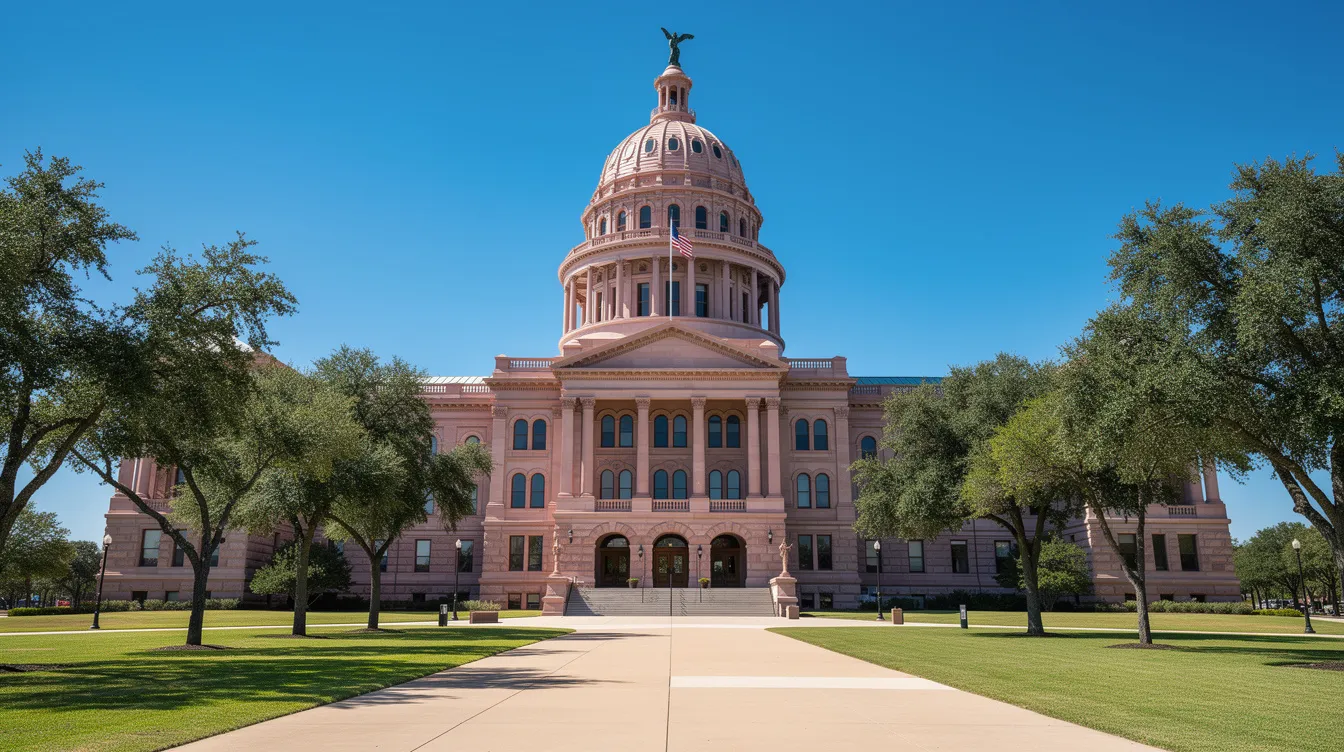
Federal law vs. Texas law at a glance:
- Federal law defines hemp as cannabis with ≤0.3% Delta-9 THC; the upcoming P.L. 119-37 (effective November 12, 2026) shifts to a total THC standard and excludes synthetically derived cannabinoids
- Texas law mirrors the 0.3% Delta-9 limit but adds its own licensing, testing, packaging, and age-verification rules through DSHS
- Federal regulations still leave the FDA with authority over health claims, food safety, and drugs; products marketed as curing diseases risk enforcement action under both federal and state laws
- The texas department of state health services regulates all consumable hemp products sold at any location in Texas
Upright CBD explains both frameworks without soft-pedaling the gray areas-like Delta-8 or other cannabinoids that face active legal challenges.
Texas CBD Laws Explained: What HB 1325 and DSHS Rules Actually Do
HB 1325 created Texas’s legal definition of hemp, established licensing for growers and processors, and set the statewide framework for cbd products. But the real enforcement muscle sits with DSHS and its Consumable Hemp Program.
In September 2025, Governor Abbott issued Executive Order GA-56 directing DSHS to tighten oversight. Emergency rules were issued on October 2, 2025, making several changes immediately enforceable. Proposed permanent rules are expected to be adopted in 2026, cementing many of those standards. Here is what each major rule covers:
- Retail locations must hold a valid Retail Hemp Registration; manufacturers need a Consumable Hemp Product License
- Hemp-derived CBD products must have transparent labeling including a QR code linking to a Certificate of Analysis
- Effective October 2, 2025, selling consumable hemp products to anyone under 21 is illegal; retailers must verify customers are at least 21 years old using government-issued photo identification
- The manufacturing and sale of smokable hemp products is banned in Texas; distribution is allowed only if not marketed for smoking
- Products making unsubstantiated medical claims risk being reclassified as drugs, triggering criminal penalties, including claims that a product can reduce anxiety
- Active legal challenges exist regarding the regulations on THCA calculations in Texas, adding uncertainty for some full-spectrum brands
- The texas compassionate use program allows patients with specific conditions to access higher-THC medical cannabis through a separate regulatory track
Upright CBD’s reviews apply the same lab-report and labeling standards we recommend every Texas consumer demand from every brand on the market.
What CBD Products Are Legal in Texas Today?
Consumable hemp products that are legal in Texas span various types: cbd oils and tinctures, gummies, beverages, capsules, topicals like creams and balms, and even some vape formulations-provided they derive from hemp with ≤0.3% Delta-9 THC and meet DSHS rules.
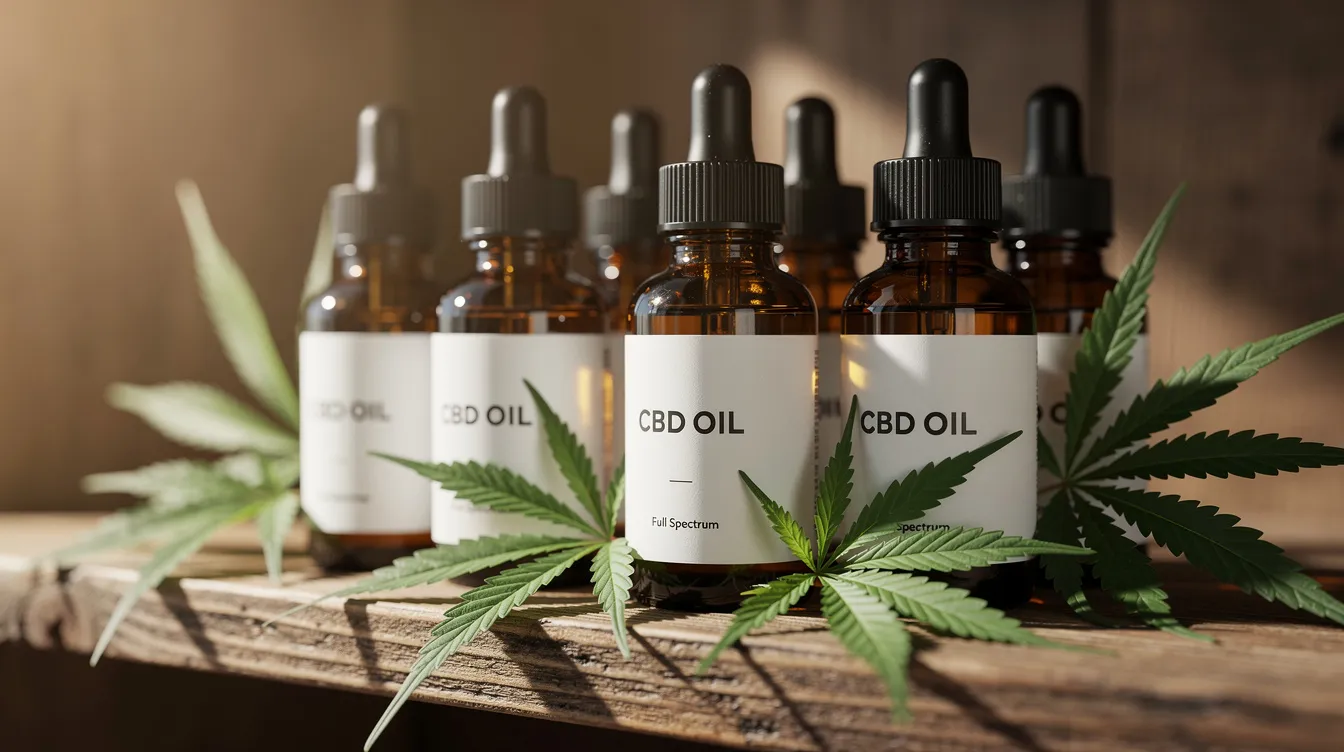
- Full-spectrum products contain CBD plus other cannabinoids and trace THC; they are legal if verified THC stays under 0.3%, but require careful lab verification
- Broad-spectrum and CBD isolate products remove or reduce THC, lowering compliance risk
- Delta-8, Delta-10, and other intoxicating hemp derivatives occupy a gray area-DSHS attempted to classify delta-8 as a controlled substance in 2021, and the legality remains disputed through litigation
- Pet CBD exists in a regulatory gap; products must still meet hemp THC limits, but veterinary guidance is strongly recommended
- Selling e-cigarette products containing cannabinoids is considered a Class A misdemeanor in Texas, so vape products face heightened scrutiny
- Hemp derived products are available at licensed Texas retailers, wellness shops, and compliant online sellers
Consumers should look for recent Certificates of Analysis, child-resistant original packaging, and clear labeling that the product is a hemp product-not marijuana-derived. Research the brand’s testing transparency before you buy.
Upright CBD never accepts money to boost or soften reviews. Our guidance on which brands and product forms truly meet Texas standards is independent and displayed without bias.
Age Limits, Testing, and Everyday Use: Staying Compliant as a Consumer
No official statewide age restriction existed for CBD purchases before late 2025. That changed. Texas requires CBD purchasers to be 21 or older under the DSHS emergency rules, and some retailers may set their own age limits for CBD sales on top of state requirements. Acceptable ID for CBD purchase includes government-issued photo identification-a performing security verification step now standard at checkout.
- Possession of compliant hemp-derived CBD products is generally legal in Texas, but always carry products in original packaging and keep a digital copy of the COA
- Drug tests usually cannot distinguish hemp from marijuana; full-spectrum CBD can trigger positive THC results, and Texas employers may still act on those results regardless of hemp legality-this security verification gap catches many users off guard
- Possession of THC products exceeding legal limits can lead to penalties, including potential misdemeanor charges depending on quantity and form
- When reading a COA, confirm Delta-9 THC is at or below 0.3%, and check for contaminants like pesticides, heavy metals, and residual solvents-a verification successful on all panels means the product meets safety code expectations
- Avoid driving after using products with measurable THC; the body’s endocannabinoid system processes even trace amounts, and law enforcement won’t distinguish hemp-legal THC from marijuana THC on a roadside test
Upright CBD reviews only products with up-to-date, transparent lab reports. We reject any brand that refuses independent testing-our goal is to protect the integrity of the entire CBD market, not just our own page.
Buying, Selling, and Traveling With CBD in Texas (and Why Upright CBD’s Guidance Matters)
When buying CBD in Texas, verify that the retailer holds a valid DSHS Retail Hemp Registration. Avoid shops that won’t show COAs or that sell obviously marijuana-derived items. Online sellers shipping into Texas should show compliance details on their website and must also follow texas health and safety code labeling standards and the state’s food and product rules.
For anyone in the business of selling CBD, requirements include a Consumable Hemp Product License for manufacture, DSHS registration for retail sale, and strict adherence to packaging rules. No unsubstantiated medical claims-products marketed as drugs face enforcement that can escalate to criminal penalties. The supreme court has not weighed in definitively on every hemp-related dispute, and ongoing litigation means the regulatory landscape is still evolving, so sellers must stay current.
Traveling with CBD:
- Carry only hemp derived cbd clearly labeled with ≤0.3% Delta-9 THC in original packaging
- Other state laws may differ-what’s legalized in Texas may face restrictions elsewhere, and international rules on recreational use or any cannabis product vary widely
- If stopped by law enforcement, stay calm, present labels and lab results, and understand that officers may seize products if they suspect illegal thc content-respond ray id requests from security service tools on websites similarly require patience, as malicious bots and legitimate users alike trigger these checks
CBD that meets federal law and texas cbd laws is legal in Texas in 2026. But the rules around consumable hemp products, emergency rules, and upcoming permanent regulations keep shifting. Whether you’re a consumer, a retailer, or a business exploring this market, staying informed verifies your compliance.
Upright CBD exists to raise the quality and integrity bar for the entire industry. We never take money for reviews, we constantly update our legal guides, and we give Texans uncompromised, law-accurate information. Check current statutes, consult an attorney for business-level decisions, and rely on Upright CBD for ongoing, unbiased updates-because the most ethical CBD brand is the one that puts your protection first.

Recent Comments