

Delta 8 vs Delta 9: Which THC Compound Is Better? This is the topic team upright CBD will clear today.
Delta 8 and delta 9 are both forms of THC found in cannabis, but they differ in potency, effects, legal status, and safety profile. Delta 9 THC is the primary psychoactive compound in marijuana, produces a stronger high, and has more established medical use and research behind it.
Delta 8 THC is a milder alternative—often described as “diet weed” or “marijuana lite”—that occurs naturally only in trace amounts and is typically made synthetically from hemp-derived CBD.
For consumers, patients, and anyone comparing THC options, those differences shape not just the experience but also the potential benefits, risks, and legal consequences. Below is a detailed comparison of delta 8 vs delta 9 covering their chemistry, effects, medical uses, safety, and legality so you can make a more informed choice based on your tolerance, health goals, and local laws.
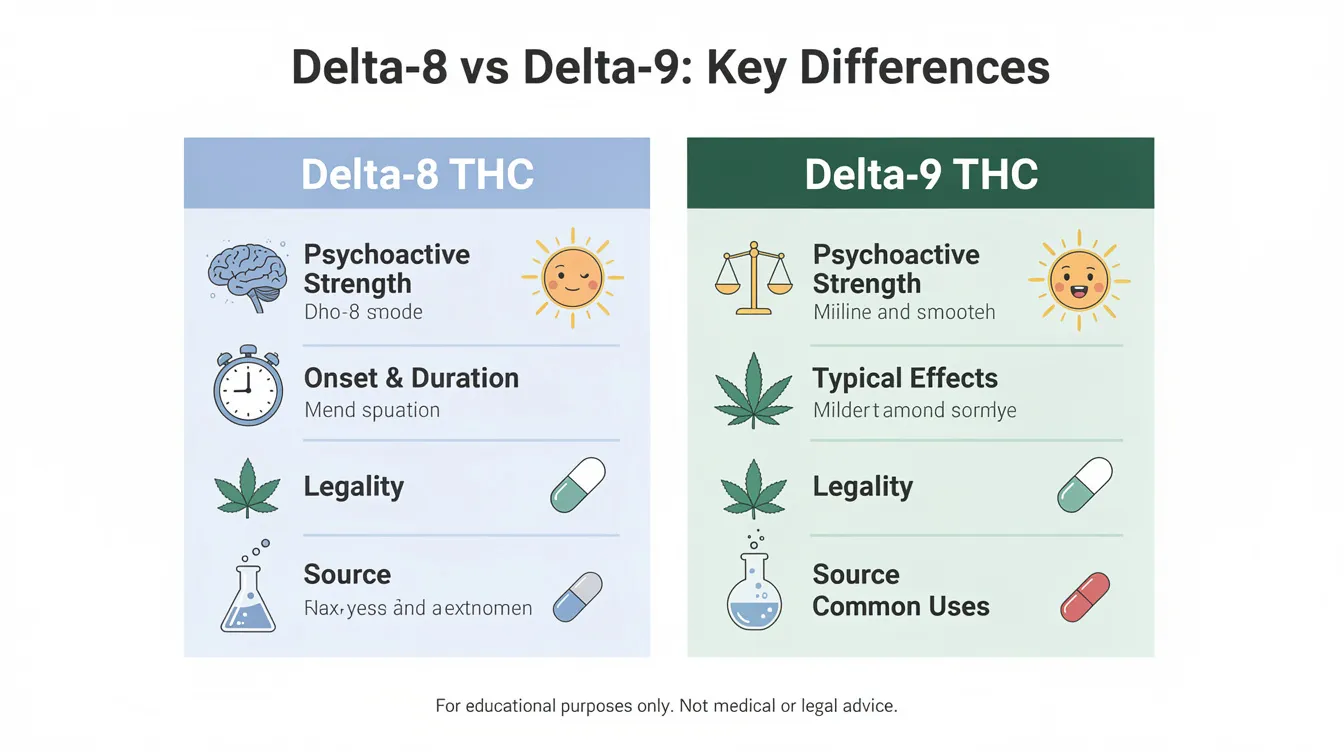
Table of Contents
Delta 8 vs Delta 9: Key Differences
The core difference between delta 8 and delta 9 THC comes down to molecular structure, which drives everything else-potency, psychoactive effects, and how each compound interacts with the body’s endocannabinoid system.
- Both compounds share the same molecular formula (C₂₁H₃₀O₂) but differ in the placement of a single double bond. Delta 8 has this bond between carbon atoms 8 and 9, while delta 9 places it between carbons 9 and 10. This subtle shift changes molecular shape, receptor affinity, and the intensity of the high.
- Delta-9 THC is the most abundant cannabinoid in marijuana and can be extracted directly from the plant. Delta-8 occurs in lower concentrations than delta-9 in cannabis-it’s a trace cannabinoid that isn’t economical to extract naturally. Instead, most commercial delta 8 is synthetically derived from CBD through an acid-catalyzed chemical process.
- Because of its structural position, delta 9 THC binds more strongly to cannabinoid receptors than delta 8, specifically the CB1 receptors in the brain that produce intoxicating effects. Delta 8 acts as a weaker partial agonist, meaning users feel intoxicated but with reduced intensity.
Both compounds interact with the endocannabinoid system, which regulates various bodily functions including mood, pain sensation, and appetite. But delta 9 activates this system more powerfully per milligram consumed.
Chemical Structure and Potency
Understanding why these two molecules produce different cannabinoid experiences starts with where that double bond sits on the carbon chain-and what that means for THC potency.
Delta 8 THC Structure
Delta 8 THC places its double bond on the eighth carbon chain position. This configuration makes the molecule slightly more chemically stable than delta 9 (less prone to oxidation), but it also reduces how effectively it locks into CB1 receptors.
Delta-8 occurs in lower concentrations than delta-9 in cannabis, making direct extraction impractical. Delta-8 is often synthetically derived from CBD using acid-catalyzed isomerization-a chemical process that converts hemp derived CBD into delta 8 THC. This synthetic production method is how the vast majority of delta 8 thc products reach consumers.
In terms of binding strength, pharmacological studies show delta 8’s CB1 receptor inhibition constant (Kᵢ) ranges from approximately 28–251 nM-significantly weaker than delta 9. A 2022 comparative review found delta 8 was roughly 6-fold less potent than delta 9 at human CB1 receptors. This means higher doses of delta 8 are needed to achieve comparable psychoactive effects.
Delta 9 THC Structure
Delta 9 THC positions its double bond on the ninth chain-between carbons 9 and 10. This structural arrangement creates a molecular shape that interacts more robustly with CB1 receptor sites in the brain, resulting in stronger binding affinity and higher potency.
Delta-9 THC is the most abundant cannabinoid in marijuana, found in high concentrations in cannabis sativa strains bred for potency. Unlike delta 8, it can be extracted directly from the hemp plant or marijuana without synthetic conversion, though synthetic delta 9 is also used in pharmaceutical drugs like dronabinol.
In receptor signaling assays, delta 9 consistently achieves higher maximal effects (Eₘₐₓ) at lower doses compared to delta 8. This stronger CB1 activation is what produces the more intense, classic THC experience that regular cannabis users associate with marijuana.
Effects and High Experience
How each compound makes you feel varies based on dosage, tolerance, and individual biology. But the general pattern is consistent: delta 8 produces milder psychoactive effects than delta 9.
Delta 8 Effects
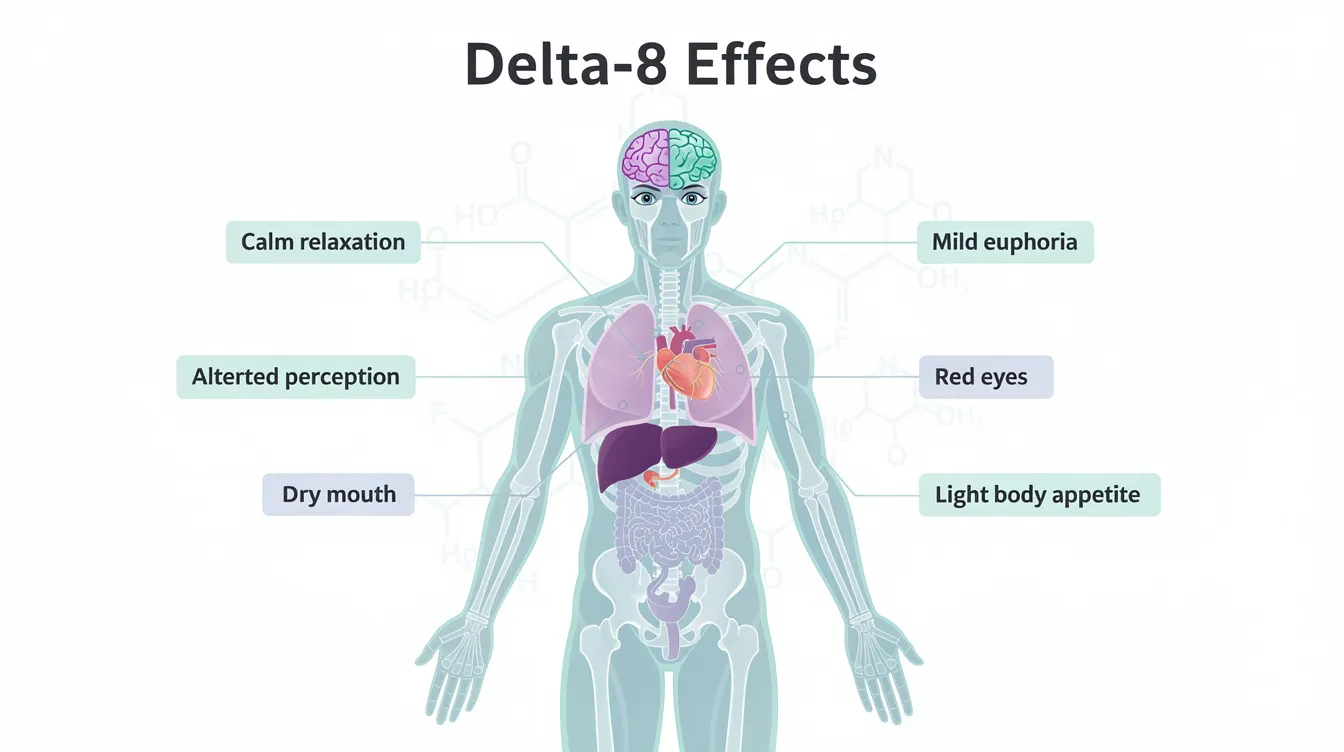
Delta 8 produces milder psychoactive effects than delta 9, delivering what users describe as a more manageable, clear-headed high. In a survey of 521 delta 8 users, 71% of participants experienced increased relaxation with delta 8, 68% of participants reported euphoria from delta 8 use, and 55% of participants experienced pain relief using delta 8.
Notably, delta 8 THC is linked to reduced anxiety and paranoia in some users. Only about 26% reported anxiety and roughly 17% experienced paranoia-significantly lower rates than what is typical with delta 9. Cognitive side effects like short-term memory disruption and difficulty concentrating still occur but are generally less intense.
These unique effects make delta 8 particularly appealing for users with low THC tolerance or those who want to avoid the overwhelming sensations that stronger THC products can trigger. In the same survey, 57% of participants used delta-8 as a substitute for delta-9, citing either milder effects or legal access as primary reasons.
Delta 9 Effects
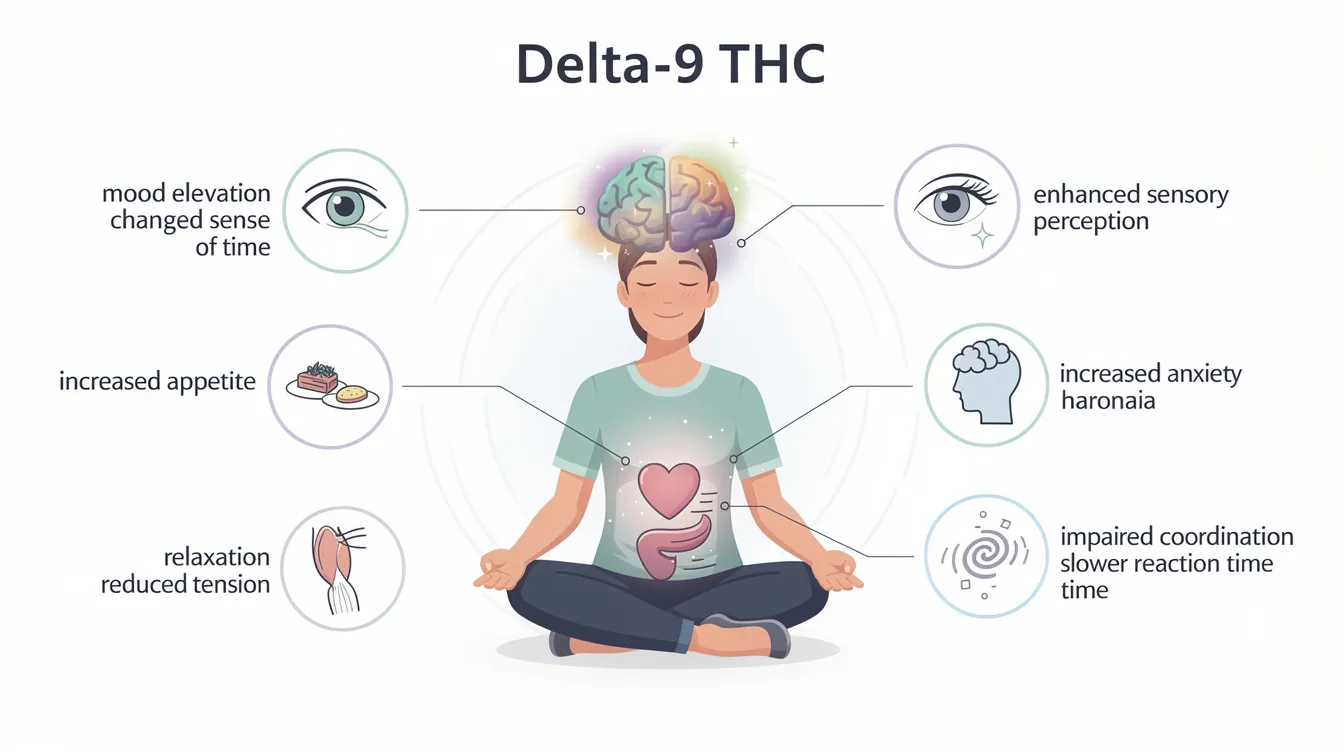
Delta 9 delivers the classic marijuana high: robust cerebral effects, significant alterations in mood and sensory perception, and at higher doses, potential hallucinations. It is considerably more potent per milligram, with faster onset when inhaled.
However, this intensity comes with trade-offs. Delta 9 has a higher potential for triggering anxiety and paranoia, particularly in novice users or individuals prone to anxiety disorders. Clinical trials consistently show that delta 9 significantly increases negative affect and reduces working memory compared to placebo.
Delta-9 THC can cause impaired cognitive function and memory issues, with more pronounced effects on reaction time, executive function, and motor coordination. Both Delta-8 and Delta-9 THC can cause dry mouth, red eyes, and increased appetite-but these effects tend to be more noticeable with delta 9 due to its stronger receptor activation.
Medical Benefits and Uses
Research on the medical benefits of both compounds is ongoing, though delta 9 has a far more established evidence base. Limited research exists for delta 8’s therapeutic applications, which rely primarily on survey data and preclinical studies.
Delta 8 Medical Applications
Delta 8 shows potential benefits for several conditions, though none have been confirmed through large randomized controlled trials.
- Pain relief: More than half of surveyed delta 8 users report pain relief, potentially with milder side effects than delta 9. However, no large RCTs have yet compared its efficacy against placebo or delta 9.
- Anti-nausea: Animal studies suggest delta 8 has antiemetic properties, with doses of 5–10 mg/kg showing strong anti-nausea activity via CB1 receptor mechanisms.
- Appetite stimulation: Some users report increased appetite, though this is less documented than with delta 9.
- Sleep aid: Many consumers use delta 8 for insomnia relief, but no rigorously controlled clinical data exists to confirm this benefit.
More research is needed before delta 8’s medical applications can be considered established rather than anecdotal.
Delta 9 Medical Applications
Delta-9 THC has been extensively studied and is associated with several medical uses, including FDA-approved medications.
- Chemotherapy-induced nausea: The FDA has approved synthetic delta 9 THC (dronabinol, Syndros) and the analog nabilone specifically for treating nausea and vomiting caused by cancer treatment.
- Chronic pain: Delta-9 may help relieve chronic pain and nausea. Multiple small RCTs show efficacy for neuropathic and chronic pain, sometimes in combination with CBD.
- AIDS-related anorexia: Dronabinol carries a prescription indication for appetite stimulation in patients with HIV/AIDS-related weight loss.
- Spasticity: Cannabis products containing delta 9 (such as nabiximols, which combine delta 9 + CBD) are used in some jurisdictions to treat muscle spasms in multiple sclerosis.
The health benefits of delta 9 are supported by formal clinical trials and regulatory approval-a level of evidence that delta 8 currently lacks.
Side Effects and Safety Risks
Individual reactions to different cannabinoids vary widely based on dosage, tolerance, method of consumption, and personal health history. Both compounds carry risks, but they differ in severity and documentation.
Delta 8 Safety Profile
Delta 8’s side effects are generally milder than delta 9’s, but the real safety concern lies in product quality. Delta 8 is not regulated by the FDA, posing safety risks that go beyond the compound itself.
Delta 8 may cause side effects like nausea and fatigue, along with the standard cannabinoid effects of dry mouth and red eyes. In a Reddit-based adverse events study of 2,184 reports, approximately 16.4% reported anxiety, 9.3% paranoia, and 8.7% accidental overdose. Psychiatric issues were the most frequently reported category at roughly 41% of adverse events.
The FDA received 104 adverse event reports for delta 8 products between December 2020 and February 2022, with 55% requiring hospital admission or medical intervention. Symptoms included hallucinations, vomiting, tremors, and loss of consciousness.
Delta 8 products may contain harmful industrial byproducts from the synthetic conversion process-residual solvents, acids, and unknown chemicals. Delta-8 THC products are often less regulated than delta-9 products, with inconsistent labeling and variable potency across brands. Long-term safety data remains essentially nonexistent.
Delta 9 Safety Profile
Delta 9’s side effects are well-documented through decades of clinical and epidemiological research.
Acute effects include increased heart rate, anxiety, panic reactions, and psychotic symptoms in susceptible individuals. Delta-9 THC can cause impaired cognitive function and memory issues with both acute and chronic use. Regular use during adolescence has been linked to possible decreases in IQ.
Delta-9 THC may exacerbate anxiety and depression in some users, and carries a recognized risk of dependence and withdrawal symptoms with prolonged heavy use. Contraindications include pregnancy, breastfeeding, young age, and preexisting mental health conditions.
One important note for both compounds: both Delta-8 and Delta-9 THC are likely to trigger a positive drug test. Standard drug tests screen for THC metabolites, and the body processes both molecules into similar metabolites. This applies regardless of which form of THC you consume.
Legal Status and Availability
The legal status of delta 8 and delta 9 follows fundamentally different regulatory paths, and along with CBD they are three cannabinoids that receive different treatment under federal and state law.
The 2018 Farm Bill legalized hemp-derived products with low THC, defining hemp as cannabis containing ≤0.3% delta 9 THC by dry weight. This created a loophole: because the law only specified delta 9, other THC isomers like delta 8 (and delta 10) derived from hemp were effectively federally legal. Delta 8 products must contain less than 0.3% THC to qualify under this framework.
However, this is changing at the federal level, while delta 9 remains federally illegal under federal law. In November 2025, Congress passed legislation shifting to a “total THC” standard that includes all THC isomers and their precursors. Starting November 12, 2026, most delta 8 thc products currently on the market will become federally prohibited unless new licensing regimes are established.
At the state level, the landscape is already fragmented. Delta-8 is banned in 20 states as of now, with several states imposing strict regulations including age restrictions, mandatory testing, and sales channel limitations. Many states allow sales with few restrictions, but this is rapidly evolving.
The legal status of Delta-9 THC is more defined, often being illegal federally in the U.S. as a Schedule I substance-yet legal in many states under medical or adult-use marijuana frameworks. Delta-9 THC is illegal federally but legal in many states with regulated dispensary systems, licensing requirements, and age limits. If you need a prescription for medical cannabis containing delta 9, state-specific medical programs provide a structured pathway.
Delta 8 vs Delta 9: Which Should You Choose?
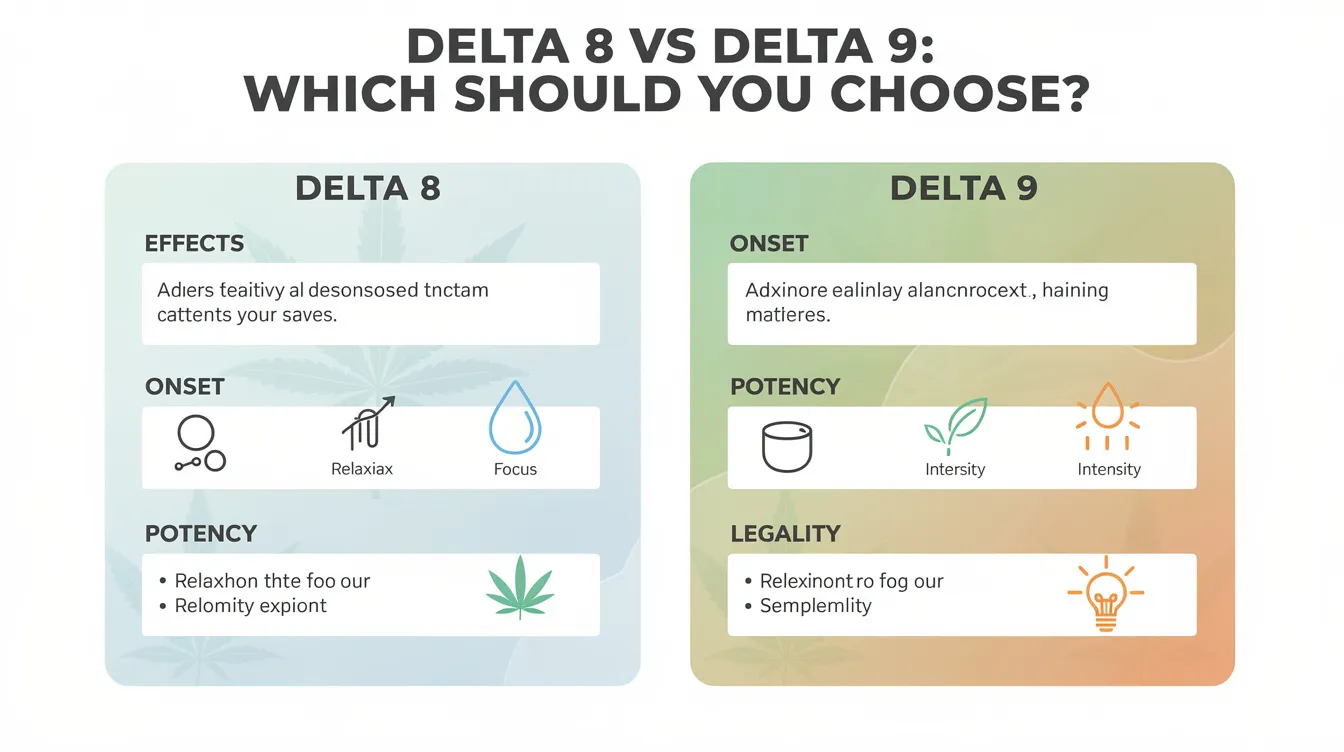
Choose delta 8 if you want milder intoxicating effects, better anxiety management, and a more clear-headed experience. It may be suitable for users new to THC products or those who find delta 9 too intense. Delta 8 is currently federally legal if hemp-derived, though this changes in November 2026, and it’s already illegal in several states.
Choose delta 9 if you’re looking for established medical benefits, stronger therapeutic effects, and access to regulated dispensary products with consistent quality and potency. FDA-approved drugs containing synthetic delta 9 exist for specific conditions including chemotherapy-induced nausea and appetite stimulation.
Before deciding, consider:
- THC tolerance: Heavy users of delta 9 may find delta 8 less satisfying; delta 8 typically requires higher doses for comparable effects.
- Local laws: Check your state regulations for both compounds. The legal landscape for delta 8 is shifting rapidly at both the state level and federal level.
- Product quality: Delta 8 products are often less regulated, carrying risks of contamination and mislabeling. Delta 9 from licensed dispensaries undergoes mandatory testing.
- Drug testing: Both compounds will likely produce a positive result on a standard drug test.
- Medical guidance: Consult a healthcare provider before using either compound, especially if you have a history of mental health conditions, heart problems, or are pregnant. Dose, formulation, and route of administration all affect safety and outcomes.
Both delta 8 and delta 9 interact with the body’s endocannabinoid system to produce their effects, but they serve different needs. Match your choice to your tolerance, health goals, and legal situation.

Recent Comments