

Last updated September 23, 2026 by Shariful Alam Pavel
Scientifically reviewed by Dr. Lukman Syed Rony, PhD, plant microbiologist and Lab Director at Innovate Phytoceuticals. Reviewed September 2026.
CBD Oil Smell: Does CBD Really Smell Like Weed? If you’ve ever cracked open a bottle of cbd oil and caught a whiff of something suspiciously “weedy,” you’re not alone.
The smell of cbd oil catches many first-time American users off guard-but understanding where that scent comes from changes everything about how you shop, store, and use these products.
Table of Contents
Fast Answer: What Does CBD Oil Actually Smell Like?
Here’s the short version: pure cbd (the molecule itself) has no smell at all. But most real-world cbd products do carry a mild earthy, herbal, or sometimes slightly weed-like scent because of aromatic compounds from the hemp plant. If you’re a first-time American cbd user, trying to be discreet, or simply comparing products, that difference matters because smell affects what you buy, how you store it, and whether it feels too close to marijuana for your comfort. CBD is derived mainly from hemp plants, and those plants are loaded with natural compounds called terpenes that create the distinct scent you notice when you open a bottle.
CBD oil usually doesn’t smell bad—most people describe it as earthy, herbal, grassy, or nutty, though whether you like that smell is personal and depends on the hemp strain, extract type, and how much processing the oil went through. Full spectrum cbd oils and some broad spectrum products can smell similar to mild marijuana, while cbd isolate mixed with a neutral carrier oil is nearly odorless.
Does that mean your cbd oil will get you high? No. THC is responsible for marijuana’s psychoactive effects, and hemp-derived cbd contains less than 0.3% THC under federal law established by the 2018 Farm Bill. Smell alone does not indicate intoxication or illegality.
The rest of this article explains where that scent comes from, how terpenes, extract types, and carrier oils change it, how hemp compares with marijuana and cbd flower, and what smell can tell you about product quality. If you want to choose a cbd oil that matches your odor preferences, avoid surprises, or understand what that bottle on your shelf is actually supposed to smell like, keep reading.
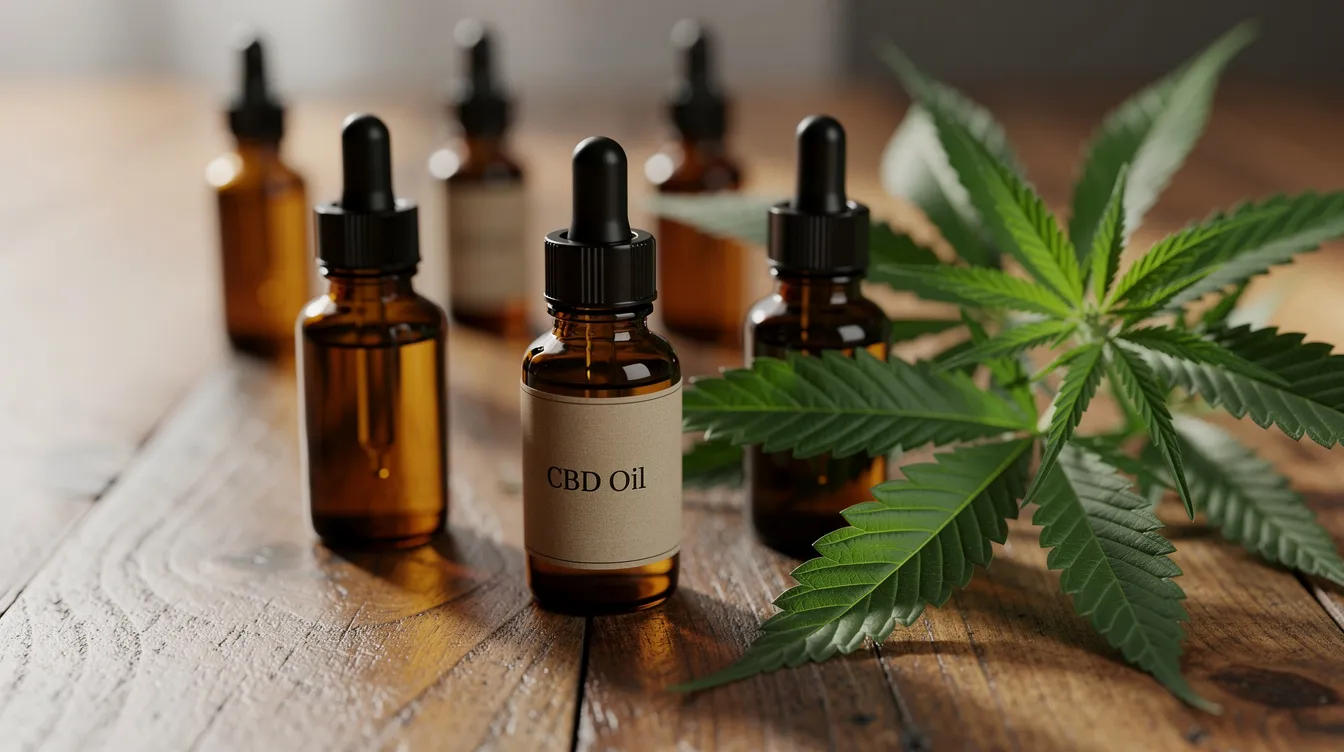
Why CBD Has a Smell: Terpenes, Not Cannabinoids
Cannabinoids like CBD and THC are largely odorless on their own. The familiar cannabis smell-that instantly recognizable blend of earth, musk, and pine-comes from terpenes and other aromatic compounds found in cannabis plants. Natural terpenes influence the scent of cbd oil far more than the cannabinoids themselves.
So what exactly are terpenes? They’re volatile aromatic molecules produced across the plant kingdom, not just in cannabis. You encounter them every time you peel an orange, walk through a stand of pine trees, or smell lavender. In the hemp plant, terpenes evolved to attract pollinators, repel pests, and help the source plant handle environmental stress like heat and UV exposure. About 150 different terpenes are found in cannabis sativa plants, each contributing to the aroma and flavor of cannabis products in different ways.
A few common terpenes drive most of what you notice in a typical cbd smell:
- Myrcene is the most abundant terpene in cannabis. It delivers the earthy, musky, herbal base note you might describe as “dank” or “hempy.”
- Limonene has a citrusy smell similar to lemon or orange peel, and some research associates it with mood-enhancing effects. You’ll find it in citrus fruits as well as certain hemp strains.
- Pinene (both α-pinene and β-pinene) gives a sharp, resinous, woodsy aroma reminiscent of pine trees and forest air.
- Linalool produces floral, lavender-like softness-the same molecule that makes essential oils from lavender smell the way they do.
Mixtures of many different terpenes, alongside other plant compounds, create each strain’s unique smell. This is also the foundation of the entourage effect-a hypothesis suggesting that terpenes can interact with cannabinoids to enhance effects, potentially shaping both aroma and experience. Terpenes can create distinct scents like citrus, pine, floral, or herbal depending on the cultivar’s terpene profile.
What CBD Oil Smells Like in Real Life
The oil smell of cbd sits on a genuine spectrum, and CBD oil’s aroma varies based on different hemp strains used, how heavily the hemp extract was processed, and what it’s diluted in.
At one end, a cbd isolate dissolved in mct oil is nearly scentless-just a faint, clean neutrality. At the other end, a dark, minimally processed full spectrum cbd oil can smell strongly of fresh-cut grass, damp earth, herbal tea, or even light skunk. CBD oil can smell earthy, grassy, or slightly woody depending on its terpene content.
Full spectrum cbd typically has the strongest hemp smell because it preserves the broadest range of terpenes and other compounds from the whole plant. Broad spectrum cbd often has a milder aroma, though still recognizably herbal. Different factors like extraction and processing affect cbd smell significantly: less refined oils retain more volatile aromatic compounds, while highly distilled products lose much of their plant-like character during heat processing.
Some people love the natural cannabis aroma-they find the earthy smell grounding, almost like a cup of strong herbal tea. Others find the distinct smell too “weedy” for comfort, which is exactly why flavored and odor-minimized cbd products exist. Subjectivity matters here, and neither preference is wrong.
Hemp vs. Marijuana Smell: Why CBD Oil Sometimes Smells Like Weed
Hemp and marijuana are both cannabis sativa, the same plant species. U.S. law distinguishes them not by smell or appearance, but by thc content: hemp must contain 0.3% THC or less, while thc rich cannabis (what most people call marijuana) typically contains far higher levels. This legal line exists for regulatory reasons, not because the plants look or smell fundamentally different.
Because they share the same species and many of the same terpene families, hemp-derived full spectrum cbd oils can smell like a mild version of THC weed. Full spectrum cbd products may smell more like marijuana due to terpenes, particularly those strains bred for strong aromatic profiles. Full spectrum cbd retains most of the plant’s terpenes, which is why some bottles carry a distinct smell that could easily be mistaken for a federally controlled substance by someone unfamiliar with the difference.
The “skunky” notes some people notice are more common in high thc cannabis chemovars with heavy myrcene plus sulfur-containing compounds, but research shows some low-THC hemp cultivars can produce sharp aromas too. The critical point: smell is not a reliable guide to thc content or legality. A legal U.S. hemp extract can smell very “dank,” while an almost odorless product could still be technically non-compliant. For odor-conscious consumers-particularly those in apartments, shared workplaces, or states with strict cannabis laws-broad spectrum cbd or cbd isolate offers more discretion without sacrificing legality.
Does CBD Flower Smell Like Regular Cannabis Bud?
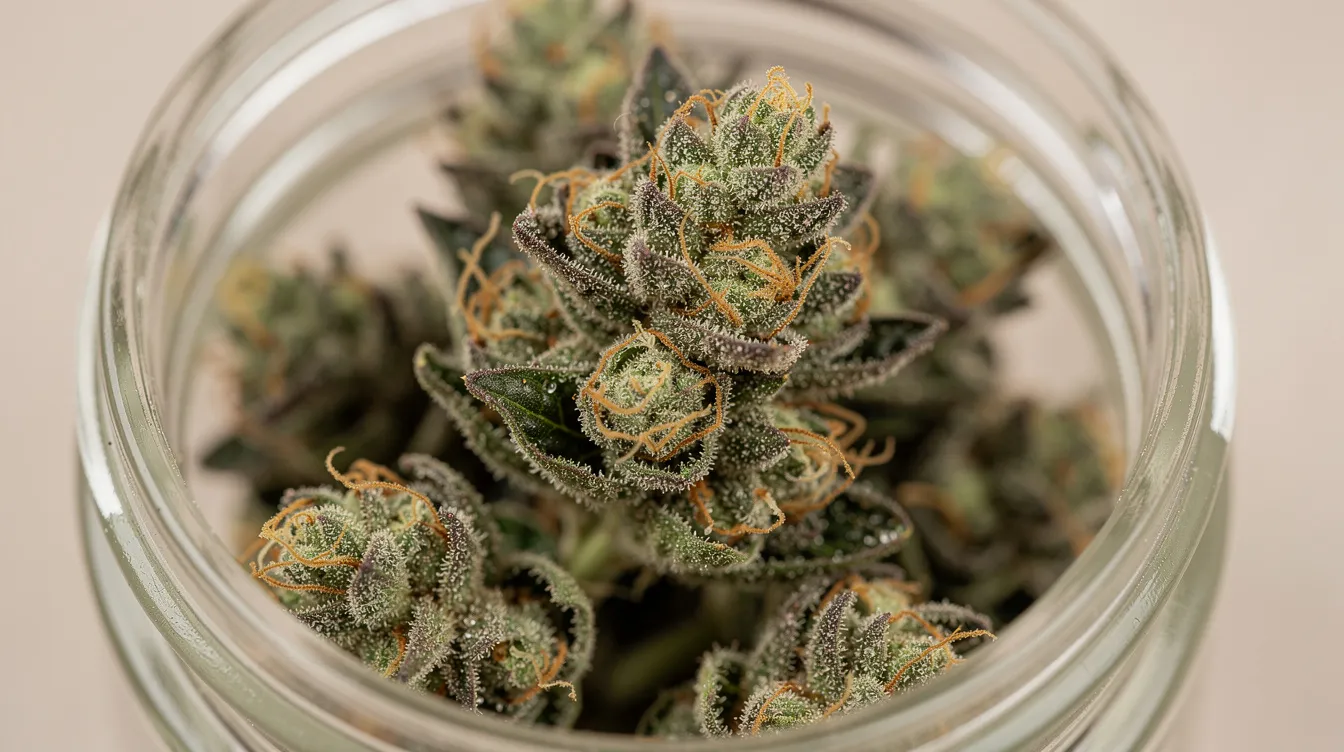
Yes, cbd flower generally does smell like weed. That’s because cbd flower is simply dried hemp flower bred for high CBD and low THC. Physically and botanically, it resembles marijuana buds right down to the resin-covered trichomes where terpenes are concentrated. When someone says hemp flower smells like cannabis, they’re not wrong-it literally is cannabis, just with a different cannabinoid ratio.
The terpene content in hemp inflorescences ranges from roughly 1.28% to 2.14% by dry weight, according to analytical studies, which is more than enough to create a strong smell. Several terpene-driven scent families show up commonly in cbd flower: earthy and musky strains dominated by myrcene, bright citrusy smell profiles heavy on limonene, pine-forward pinene varieties, and sweeter cultivars with fruity notes or floral linalool undertones. Essential oils from plants like lavender or eucalyptus have distinct fragrances that are often stronger than CBD flower in concentrated form, but freshly ground hemp flower is still surprisingly pungent.
While cbd flower can smell nearly identical to marijuana to the average nose, it will not produce psychoactive effects if it stays within federal hemp limits. Odor doesn’t tell you whether a product is intoxicating. However, smoking or vaping cbd flower in public in the U.S. may attract the same social or legal attention as smoking weed, because by smell alone, most people-including law enforcement-can’t distinguish hemp from marijuana.
Extract Types: How Full Spectrum, Broad Spectrum, and CBD Isolate Smell Different
There are three main types of cbd extracts, and their terpene and minor cannabinoid content largely determines how strong the cbd smell will be. Understanding the difference helps you predict what you’ll notice when you open a bottle.
Full spectrum cbd uses the whole plant extraction approach, retaining all cannabinoids and terpenes from hemp-including other cannabinoids like CBG and CBN, plus trace amounts of THC (≤0.3%). Full spectrum cbd contains all cannabinoids and terpenes, giving it the strongest, most recognizable hemp aroma. The extraction method matters here: CO2 extraction retains most terpenes and aroma, producing a richer-smelling cbd extract compared to harsher solvent-based methods. Extraction methods influence the final aroma of cbd oil, and the extraction process is one of the biggest variables in what you ultimately smell.
Broad spectrum cbd starts like full spectrum but undergoes additional processing-typically a filtration process-to remove THC while keeping other terpenes and other plant compounds. Broad spectrum cbd contains multiple cannabinoids but no THC. This extra step often softens the aroma, which is why broad spectrum cbd has reduced aroma due to processing. Some manufacturers add selected terpenes back afterward to fine-tune the scent-for instance, limonene-forward citrus blends or calming linalool profiles. At Upright CBD, we favor brands that are transparent about whether terpenes are native or re-introduced.
CBD isolate is 99% pure cbd with no other compounds-no terpenes, no other cannabinoids, no flavonoids. In powder or crystal form, cbd isolate is odorless and contains no terpenes. It only picks up a faint herbaceous note if trace impurities or added flavoring agents are present. This makes it the go-to for people who want zero cannabis scent.
Carrier Oils and Added Ingredients: Why Two “Identical” CBD Oils Smell Different
CBD extract is almost always diluted into a carrier oil, and carrier oils can significantly impact the smell of cbd oil. Two bottles labeled “1000mg full spectrum CBD” can smell completely different depending on what they’re dissolved in.
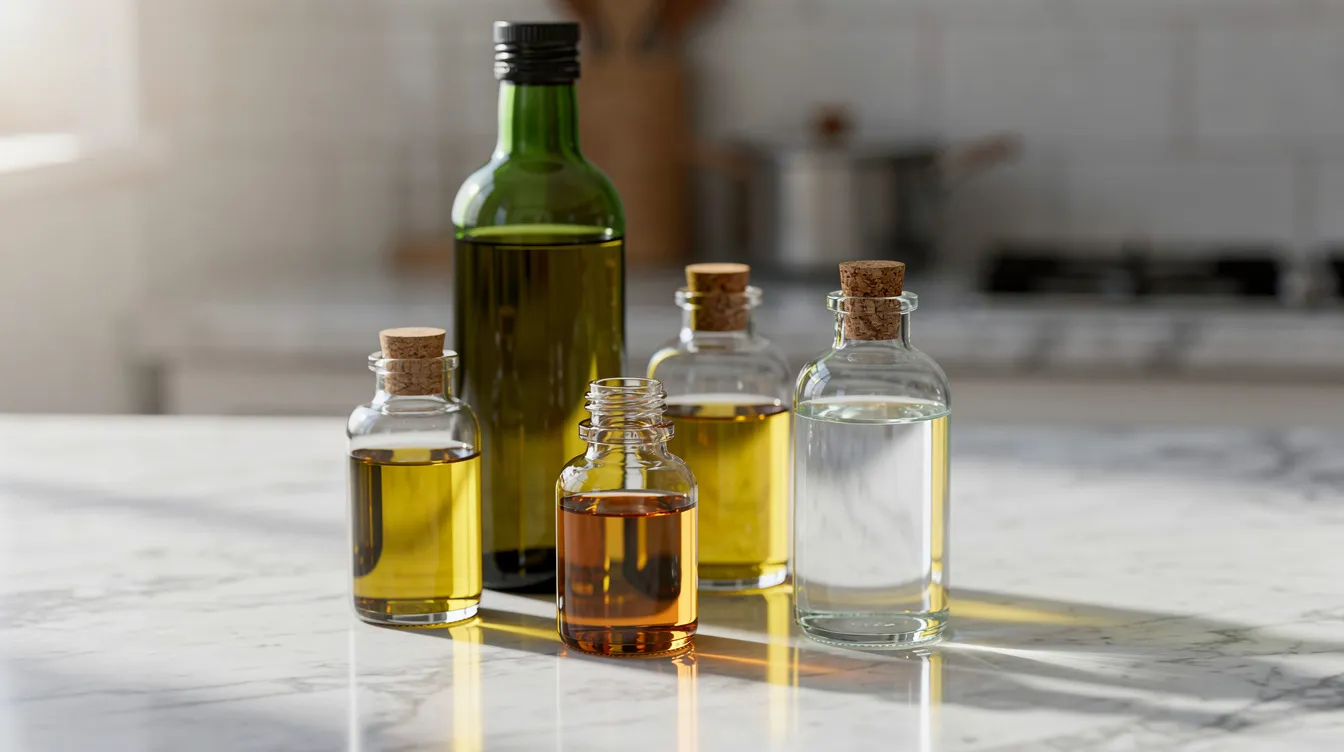
MCT oil (medium-chain triglyceride, usually derived from coconut oil) is the most common carrier oils choice in American cbd tinctures. MCT oil is typically odorless and flavorless, which means it lets the hemp terpenes dominate the scent without adding competing aromas. It also absorbs well in the digestive system, which is part of why it became so popular in U.S. wellness products.
Hemp seed oil is another frequent base. It has a distinct nutty, earthy, or grassy smell that doesn’t smell like weed on its own, but when combined with full spectrum cbd, the two create a richer, more intensely “hempy” overall profile. Despite its name, hemp seed oil comes from the seeds of the hemp plant and contains no meaningful cannabinoids.
Olive oil adds a green, peppery, Mediterranean-kitchen quality that sometimes softens the perception of cannabis notes. Unrefined coconut oil can introduce a sweet, bakery-like aroma that partially masks hemp flavor. These are among the most common carrier oils you’ll encounter on U.S. shelves.
Flavoring agents and added terpenes-peppermint, citrus, vanilla, lavender-can significantly reshape the overall cbd oil smell. Natural flavors like peppermint and citrus can mask the hemp aroma almost entirely. We encourage readers to prefer brands that list natural flavor sources clearly and avoid vague “fragrance” blends. At Upright CBD, we never take sponsorship or affiliate money from any brand. Our reviews describe exactly what a product smells and tastes like, with no financial incentive to sugarcoat it.
Practical Concerns: Discretion, Skunky Smells, and Common Myths
Does cbd smell like skunk? Sometimes. The classic skunk odor is linked to specific terpene and sulfur-compound combinations more common in some high thc strains, but certain hemp cultivars produce similar sharp notes. Overly skunky or chemical odors may indicate poor quality or contaminated product, so trust your nose if something smells truly off.
Many broad spectrum cbd oils, capsules, and cbd isolate products have only a faint herbal scent or none at all-suitable for people who need discretion at work, in apartments, or around sensitive family members. Terpenes smell strong in raw flower form but are much more subdued in processed tinctures.
A few myths worth clearing up: just smelling cbd flower or cbd oil cannot get you high. THC must enter the bloodstream to produce psychoactive effects. The strength of the weed-like oil smell does not tell you the CBD dose or its potential benefits. And rancid smells may indicate degraded or spoiled cbd oils-that’s a safety issue, not an intensity issue.
Simple odor-management tips: store cbd oils and cbd flowers in airtight glass containers, keep them in a cool dark cabinet, avoid leaving droppers uncapped, and ventilate if you vape or smoke indoors. Laws and social norms vary by state and by housing or employment policies, so check local rules if cannabis-smelling cannabis products might create confusion with illegal marijuana use.
How Smell Relates (and Doesn’t Relate) to CBD Quality
An obviously chemical, solvent-like, or moldy smell is a red flag. But a strong natural hemp aroma is not automatically “bad,” and a nearly odorless oil is not automatically “better.” Smell is one data point, not a full quality test.
Healthy smell cues include fresh, clean, plant-like scents with no gasoline, nail-polish-remover, or burnt plastic notes. No musty, basement, or “wet cardboard” odor-those suggest poor drying or contamination. The typical smell of quality cbd should be recognizably herbal without harsh chemical overtones. Other terpenes beyond the common ones can also contribute pleasant, unexpected notes like sedative effects from certain linalool-rich profiles.
More reliable quality indicators include U.S.-grown hemp from transparent farms, clear labeling of spectrum type, and recent third-party lab reports (COAs) showing cannabinoid levels and screens for pesticides, heavy metals, and residual solvents. We encourage you to study our stories at Upright CBD, where we independently review cbd and cbd-related products without sponsorship. Treat heavily perfumed or artificially scented products with skepticism if their lab data or ingredient lists are vague.
The intensity of cbd smell doesn’t predict how “strong” the effects will be. Potency depends on CBD concentration (mg per serving), not on how grassy or skunky the tincture smells.
Choosing CBD Products Based on Smell (and When Smell Shouldn’t Matter)
Smell should guide your choice when discretion matters-shared housing, open-plan offices, or travel situations where a unique smell could draw unwanted attention. It also matters if you’re sensitive to strong herbal aromas or, conversely, if you enjoy the ritual of smelling cbd flowers and want specific terpene profiles. At the strong-scent end, you’ll find cbd flowers and full spectrum oils. In the middle sit unflavored tinctures and vapes. At the mild end, flavored broad spectrum oils, capsules, and cbd isolate powders barely register on the nose.
When smell should take a back seat: if you’re a regular user focused on long-term wellness, prioritize lab transparency, accurate dosing, and absence of contaminants over whether a product smells trendy. Experiment within your comfort zone-start with a small bottle of mildly scented broad spectrum cbd oil if you’re uncertain, then move toward more aromatic full spectrum oils or cbd flowers if you find you enjoy cannabis aromas.
At Upright CBD, our mission is straightforward: help Americans navigate cbd oils, cbd flowers, and other products with factual, unsponsored reviews. We hold cbd honesty to the highest standard so you can match your nose, your needs, and the science-without marketing pressure. Study our independent stories and make decisions based on real information, not brand hype.

Recent Comments