

Last updated September 23, 2026 by Shariful Alam Pavel
Scientifically reviewed by Dr. Lukman Syed Rony, PhD, plant microbiologist and Lab Director at Innovate Phytoceuticals. Reviewed September 2026.
Does CBD Oil Go Bad? Shelf Life, Expiration & How To Tell
Yes, your cbd oil can and does go bad. Here’s what actually happens, how long you have, and how to tell when it’s time to toss the bottle.
Table of Contents
Does CBD Oil Go Bad? (Answer This Fast)
CBD oil does expire, but it doesn’t spoil the way milk or raw chicken does. Think of it more like a cooking oil sitting in your pantry. Over time, oxidation weakens the cannabinoids and turns the carrier oil rancid, slowly draining potency rather than creating something suddenly dangerous.
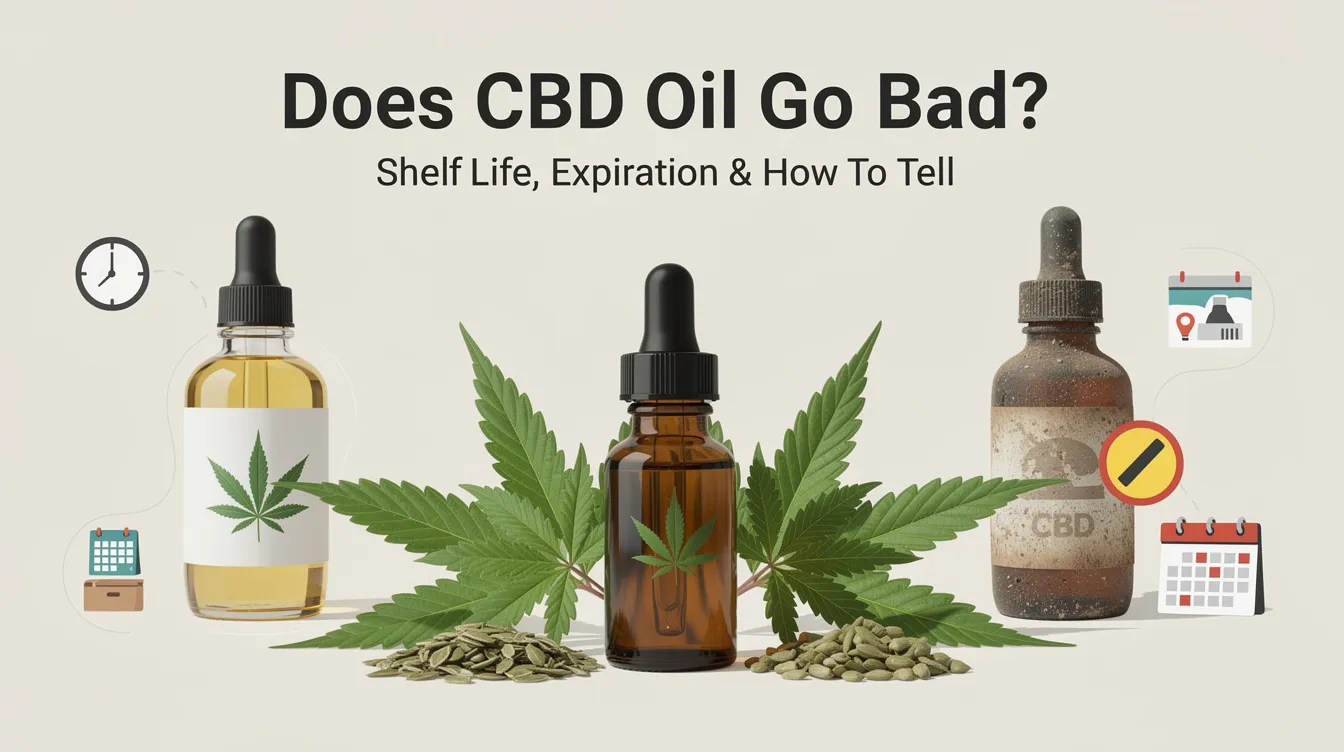
Most cbd oil products have a shelf life of 14 to 24 months when unopened. CBD oil typically lasts 1-2 years if unopened and stored properly. Once you crack the seal, plan to use it within 6-12 months. Opened cbd oil should be used within 6-12 months to get the full benefit.
Expired cbd usually means weaker effects and a possible off taste or smell, not an automatic health emergency. At Upright CBD, we don’t sell products or take sponsorships from any brand. Our only goal is honest guidance that helps American readers avoid both hype and waste, so study our independent reviews and trust the facts over the marketing.
How Long Does CBD Oil Last? (Realistic Shelf Life)
CBD oil’s shelf life is the window between production and meaningful potency loss under normal home storage conditions. Here are realistic ranges:
- Unopened, properly stored: Most cbd oils hold up well for 12–24 months from the manufacture date. Unopened cbd oil can last up to two years under ideal conditions.
- Opened: Once air starts cycling through the bottle, aim to finish it within 6–12 months. CBD oil typically lasts 6-12 months after opening.
- Flavored or botanical blends: Products with added essential oils, sweeteners, or herbal extracts often trend toward the shorter end because those ingredients introduce extra instability.
CBD oil typically lasts 12-18 months after manufacturing for the average product. The “best by” or expiration date printed on most bottles is usually set at 18–24 months from production, but cannabinoids and the carrier oil begin degrading slowly from day one.
A good quality cbd oil in an amber dark glass bottle with an MCT carrier will outlast a bargain product packed in clear glass with hemp seed oil nearly every time. When shopping, look for a manufacture or batch date on the product label, not just an expiration date. And only buy what you can realistically use in 3–9 months.
Why CBD Oil Expires: The Science Behind It
Four forces work against every bottle of cbd oil from the moment it’s produced: oxygen, light, heat, and simple passage of time.
CBD is fat-soluble and always dissolved in a carrier oil. Both the cbd extract and that oil are vulnerable to oxidation. Exposure to oxygen can lead to oxidation of cbd oil, slowly converting biologically active CBD molecules into less effective compounds. Meanwhile, the fatty acids in the carrier oil break down into rancid-smelling byproducts, the same way any cooking oil darkens and turns sharp when it sits too long.
UV light exposure can rapidly degrade cbd oil. A stability study published in the Journal of Industrial & Engineering Chemistry Research confirmed that both UV and visible light accelerate cannabinoid breakdown significantly.
Heat can accelerate the spoilage of cbd oil just as fast. Research on CBD dissolved in sunflower oil showed that storage at 40 °C (about 104 °F) caused roughly 20% potency loss in just 90 days in open vials. That’s roughly the temperature inside a hot car on a summer afternoon.
The extraction process matters too. CO₂ and carefully controlled ethanol extraction leave fewer impurities that catalyze oxidation. Poor filtration or residual plant matter can make the oil turn cloudy or smell off much sooner.
Carrier Oil Matters: How MCT, Hemp Seed & Olive Oil Affect Shelf Life
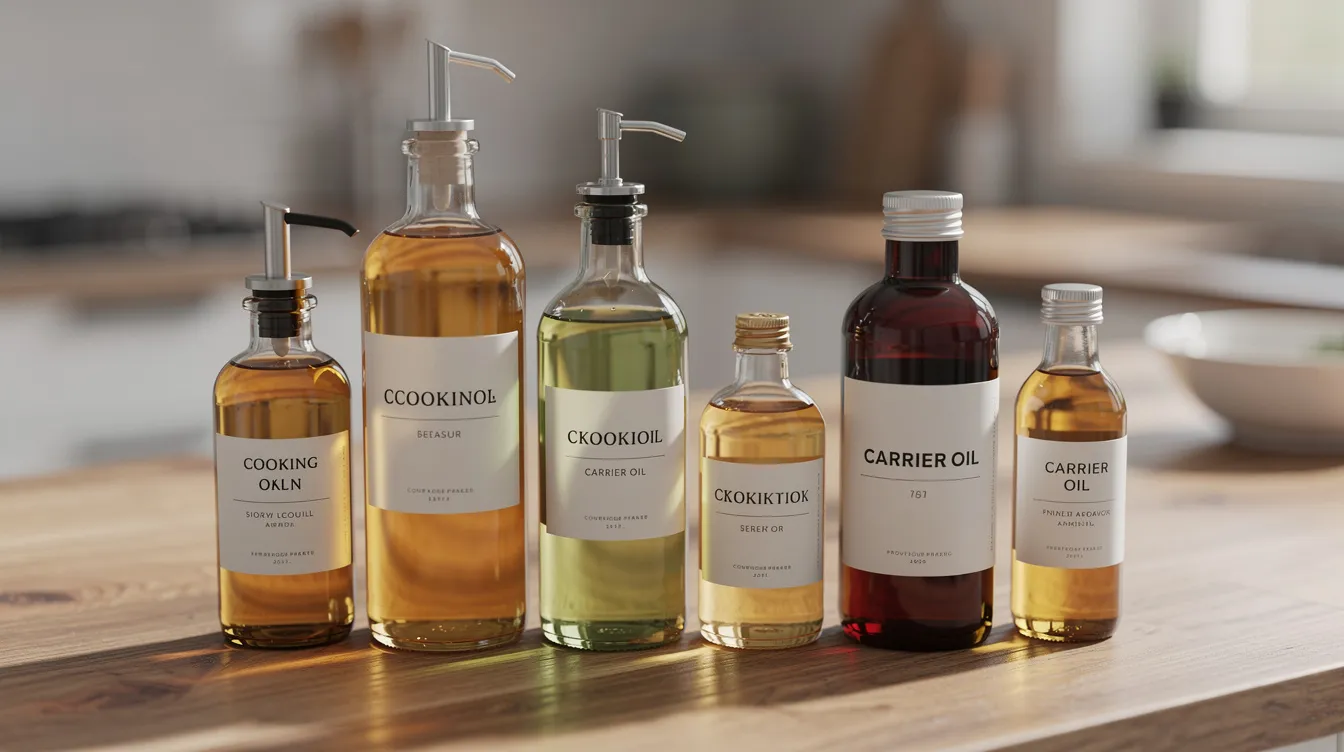
The choice of carrier oil is one of the biggest predictors of how long your cbd oil last before it loses its punch. Making cbd oil always involves dissolving the cbd extract into a lipid base, and that base ages at its own rate.
MCT oil (typically derived from coconut oil) is among the most shelf stable carriers. MCT oil can last up to two years unopened because its medium-chain, mostly saturated fats resist oxidation well. In formulation tests, CBD in MCT showed less than 5% potency variation over 90 days at room temperature.
Hemp seed oil is rich in polyunsaturated fatty acids like linoleic and α-linolenic acid. Carrier oils like hemp seed oil oxidize faster than MCT oil, and studies tracking hemp seed oil over 270 days confirm significant peroxide buildup unless the oil is stored cold and in light-blocking packaging. Expect a typical shelf life closer to 12–18 months unopened.
Olive oil sits in the middle. Natural polyphenols and vitamin E give it decent antioxidant protection, but it’s still more prone to rancidity than MCT. Plan for 12–18 months with proper storage.
Other oils like grapeseed, avocado, or coconut oil behave similarly to their normal pantry shelf life once opened. A CBD tincture in MCT oil stored in a dark cabinet in Michigan will outlast a hemp-seed-based product sitting on a sunny kitchen counter in Arizona by months. Once you open any bottle, closing the cap quickly and keeping it tightly sealed is what slows oxidation regardless of carrier.
How to Tell If CBD Oil Has Gone Bad
You can tell if your cbd oil has gone bad the same way you’d judge any other oil at home: use your senses.
Color: Signs of expired cbd oil include a noticeably darker shade than when you first opened the bottle. Darkened color can indicate cbd oil has gone bad. Persistent cloudiness or odd separation that doesn’t mix back together with gentle shaking is another red flag. Cloudiness that does not clear at room temperature is a sign of deterioration in cbd oil. Color changes in cbd oil indicate degradation over time.
Smell: Fresh cbd oil has an earthy, herbal, or mild carrier-oil scent. A rancid smell indicates cbd oil has expired. If it smells rancid, sour, or paint-like, the oil has gone bad.
Taste: An off taste can indicate that cbd oil is likely expired. Expired cbd oil may taste bitter or sour, like stale walnuts or old cooking oil. If your bottle tastes rancid, stop using it.
Texture: A cloudy or thick texture suggests cbd oil is bad. Thicker texture suggests cbd oil may be past its prime. Unusually sticky, slimy, or strangely thin consistency signals breakdown.
Do not use if you see: visible mold, fuzzy particles, or detect a rotten or musty rancid smell that suggests contamination.
Reduced effectiveness can also signal fading potency. If you need noticeably more drops than usual for the same effect, your old cbd oil may be losing its strength even if it still looks okay. Comparing an old bottle to fresh cbd oil makes changes in color and smell far easier to spot.
Is It Bad to Take Expired CBD Oil?
There’s a difference between “past the printed expiration date” and “obviously spoiled.” They’re not the same situation.
Consuming expired cbd oil is unlikely to cause illness if the product still looks, smells, and tastes normal. But its CBD content and therapeutic value will likely be diminished. Old cbd oil may not provide the expected therapeutic effects because degraded cannabinoids simply lose potency.
Here’s what can happen when you consume expired cbd oil:
- Weaker effects: Cannabinoids break down, so your usual dose for sleep, stress, or discomfort may fall short. You lose potency you paid for.
- Digestive discomfort: Rancid oil can cause an upset stomach, nausea, or a lingering bad taste. Expired cbd oil can develop a rancid smell or taste that’s unpleasant and hard to ignore.
- Contamination risk: A bottle left open in a humid bathroom or forgotten in a hot car for a summer introduces a small but real risk of bacterial or mold growth.
Think of it this way: taking expired cbd oil that still smells fine is like using a slightly old but normal-smelling cooking oil. Probably safe, but not ideal. Noticeably rancid oil is like spoiled salad dressing and should go straight in the trash.
Expired cbd oil may taste bad and lose potency simultaneously. At Upright CBD, we’d rather you throw out a questionable bottle than chase every last milligram from a product that’s clearly past its prime. Honesty matters more than saving a few dollars.
How to Store CBD Oil So It Lasts Longer
Proper storage is the single easiest way to extend cbd oil’s freshness. Store cbd oil the way you’d treat a good olive oil or a high-quality supplement: cool, dark, and sealed.
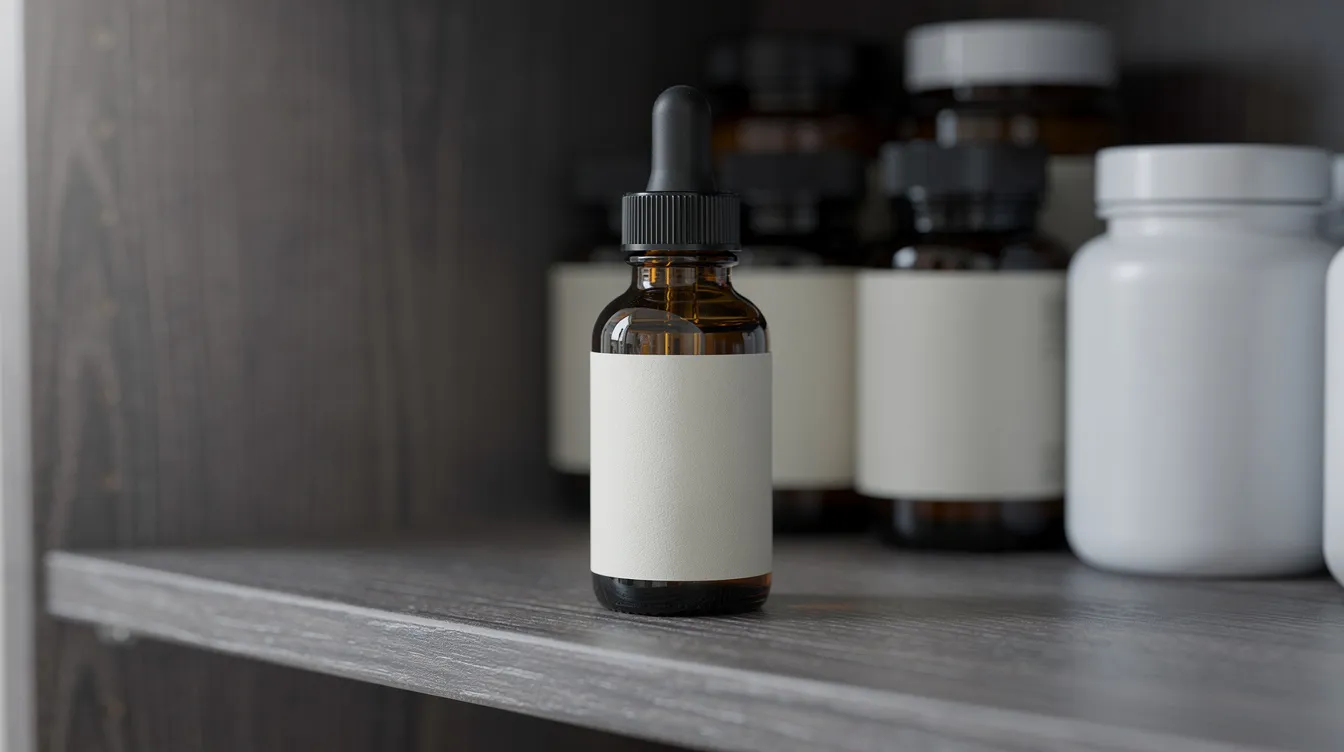
Temperature control: Keep your bottle in a cool, dry place, ideally under about 70 °F (21 °C). A pantry, bedroom drawer, or medicine cabinet away from steam all work well. Store cbd oil in a cool, dark place to maximize its useful life. Never leave it on a radiator, near a stove, or in a hot car.
Block the light: Avoid direct sunlight and windowsills. UV light is one of the fastest destroyers of cannabinoids. Store cbd oil in amber or dark glass bottles whenever possible, and keep the bottle in a dark place like a closed cabinet.
Seal it tight: Keeping cbd oil sealed tightly prevents oxidation from chewing through the carrier oil and cannabinoids. Always close the cap immediately after dosing and use a clean dropper that hasn’t touched your tongue or skin. Bacteria and saliva introduced into the bottle can accelerate spoilage.
Keep the original packaging: The right container matters. Most higher quality products come in an airtight container design with UV-blocking glass. Transferring oil into a random clear glass jar removes that protection.
Refrigeration: Refrigeration is not necessary for cbd oil storage but may slow degradation in hot or humid U.S. climates. If you live in Florida or Arizona, the fridge is a smart move. Cold temperatures may make the oil appear cloudy or thicker, but this usually clears at room temperature and doesn’t mean it’s spoiled. Refrigeration is not required but can help in hot climates.
CBD Oil vs Gummies & Other CBD Products: Shelf Life Compared
Not all cbd products age the same way. The format changes everything about how fast degradation hits.
| Product Type | Typical Shelf Life (Unopened) | Key Vulnerability |
|---|---|---|
| CBD oil tinctures | 12–24 months | Air, light, carrier oil rancidity |
| CBD gummies | 12–18 months | Heat, moisture, sugar crystallization |
| CBD capsules / softgels | 18–24 months | Carrier oil rancidity over time |
| CBD topicals (balms, lotions) | 18–24 months | Fragrance/texture changes |
| CBD vapes / e-liquids | Under 12 months (opened) | Heat from coils, air exposure |
Cbd gummies are especially sensitive to warm, damp conditions. They can clump, sweat sugar, or even grow mold if left in a gym bag or near a window. Cbd capsules tend to hold up better because blister packs or sealed containers limit air and light exposure.
Topicals benefit from added preservatives and antioxidants, but scents and textures still shift as they age. CBD vapes degrade quickly once opened and should always be checked against the manufacturer’s expiration date.
Higher-moisture products like cbd-infused baked goods have the shortest safe window, sometimes just weeks, especially if homemade.
Buying advice: Don’t stockpile. Buy what you can use in 3–6 months. For occasional users, smaller bottles or lower-count packs reduce the risk of ending up with expired cbd sitting in a drawer. Higher quality products tend to use better packaging and more stable formulations, giving you a longer shelf life from the start.
How to Read Labels, Check Dates & Decide When to Toss
The information you need to judge cbd oil’s freshness is usually already on the bottle. Here’s how to use it.
Key label elements to find:
- A clear expiration date or “best by” date
- A manufacture date or batch/lot number (often linked to online lab reports)
- Storage instructions printed on the product label (e.g., “store in a cool, dry place”)
Scan QR codes or visit the brand’s website for Certificates of Analysis (COAs). These show when the batch was tested, what cannabinoid content was measured, and whether contaminants were present. The cbd industry is still evolving its standards, so brands that provide this transparency signal higher quality products.
Quick decision checklist:
- Past the expiration date but looks, smells, and tastes normal? Probably just weaker. Use cautiously if you’re comfortable.
- Shows any sign of rancidity, contamination, major color or texture change, or you can’t confirm a production date? Toss it.
- You have a fragile immune system or health concerns? Replace the bottle rather than stretch its life.
Responsible disposal: Mix expired cbd oil with coffee grounds or cat litter and seal it in the trash rather than pouring rancid oil down the drain.
Because Upright CBD never takes sponsorships or affiliate money from any brand, we encourage you to prioritize safety and verified freshness over squeezing value from every last drop of an old bottle. Check your current CBD stash today. A 30-second smell and visual test can save you from wasting money on a product that’s already lost its punch. Study our independent reviews to find products with transparent labeling, honest storage conditions, and real batch data you can verify yourself.

Recent Comments